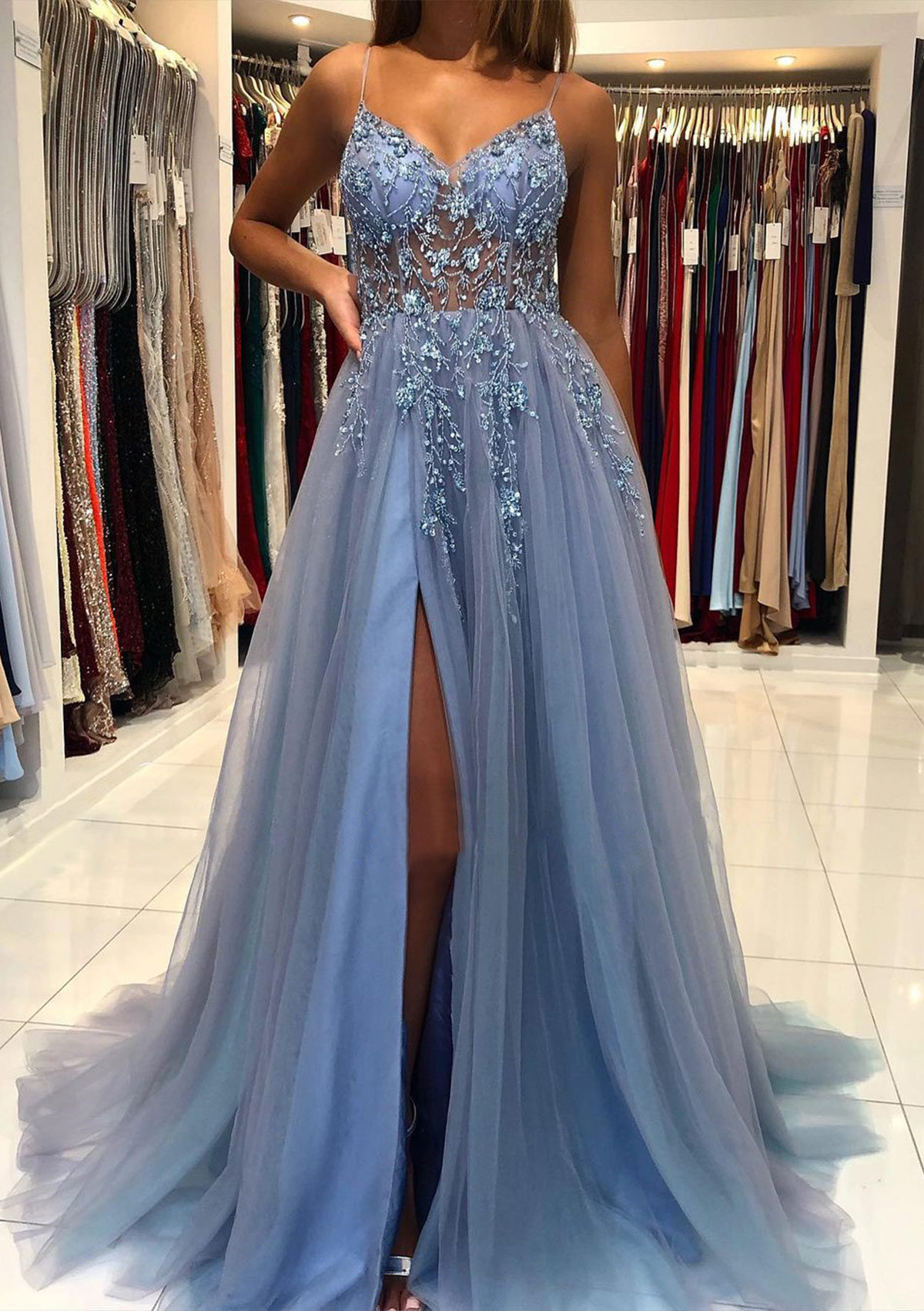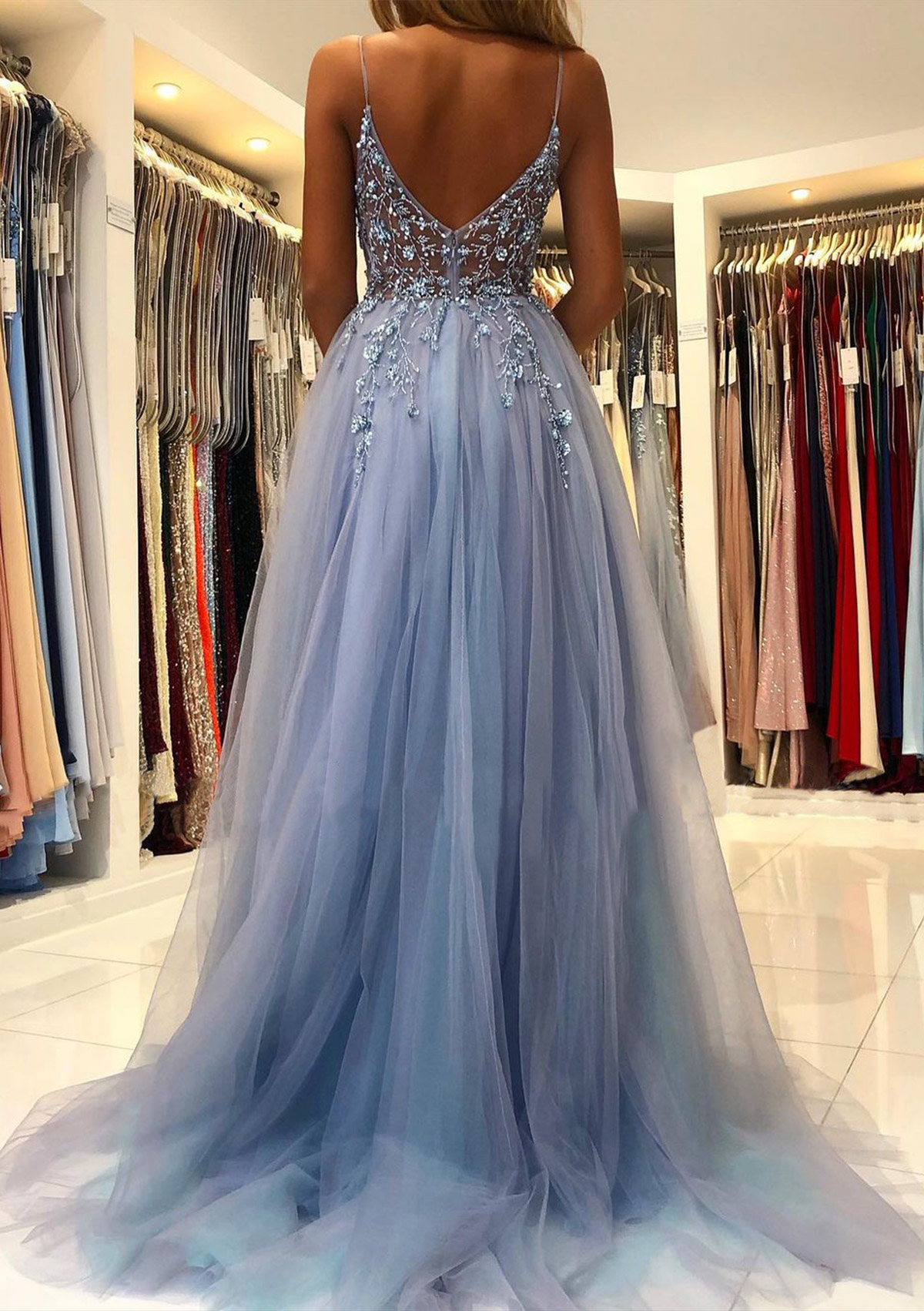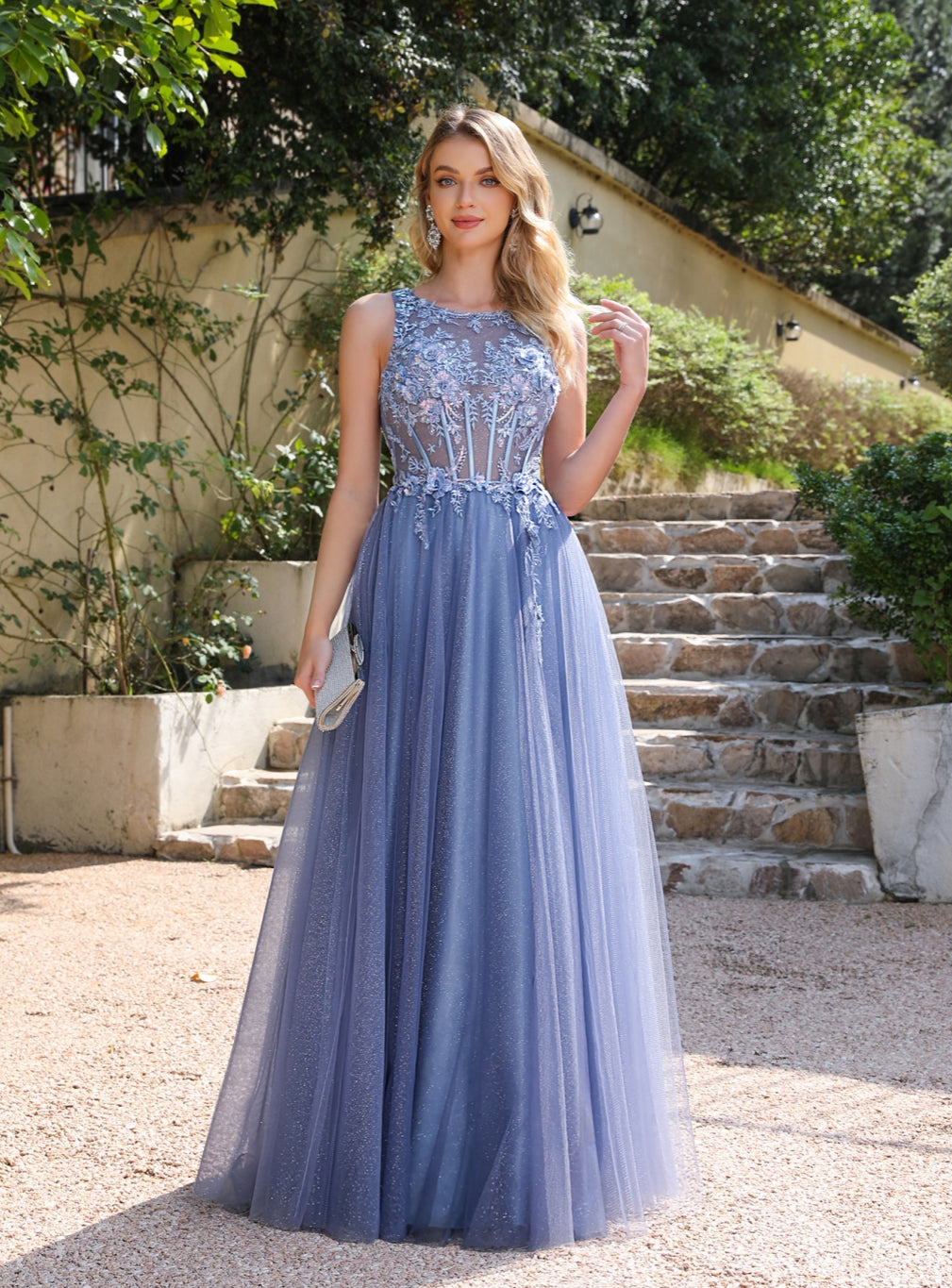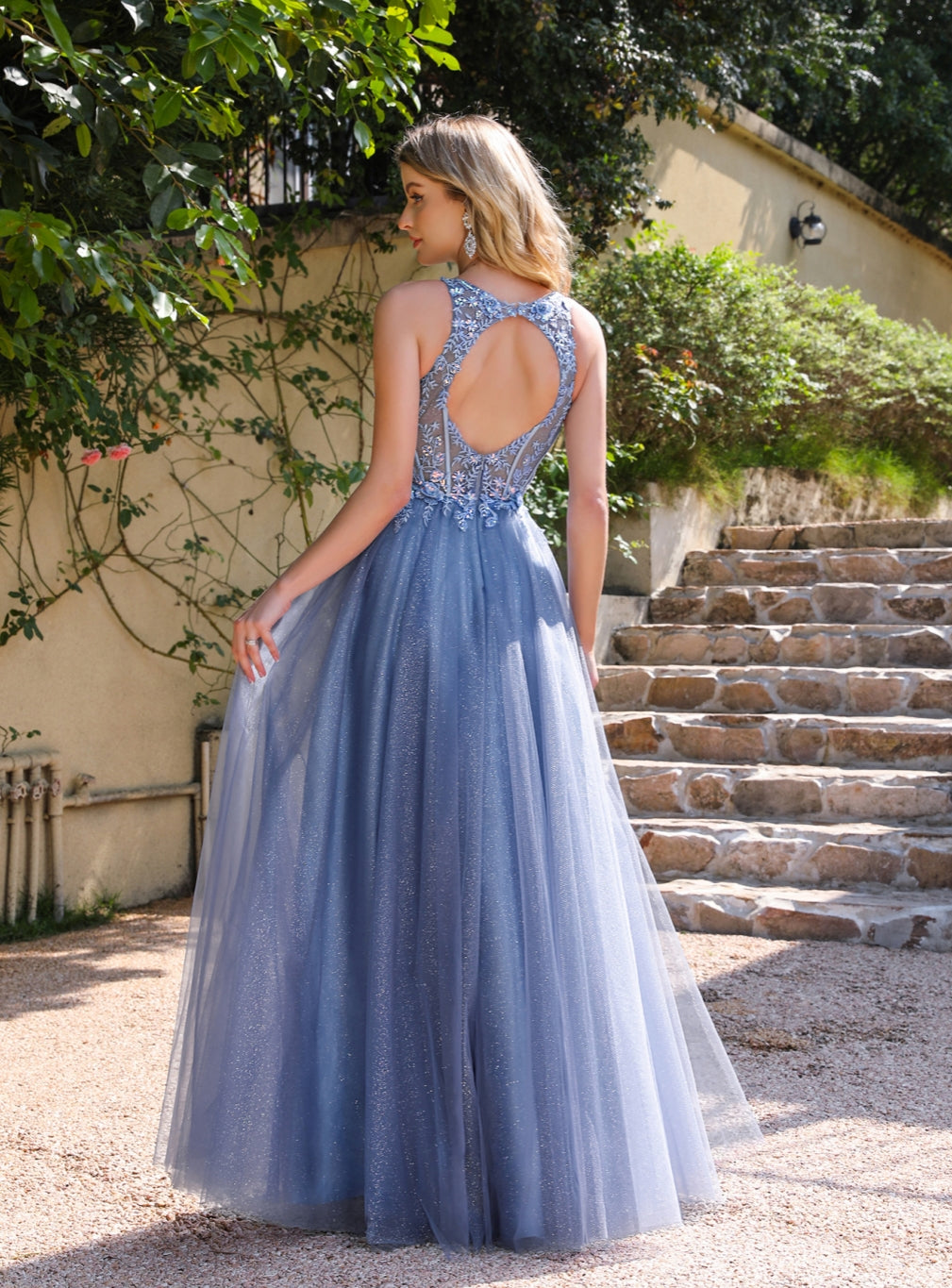
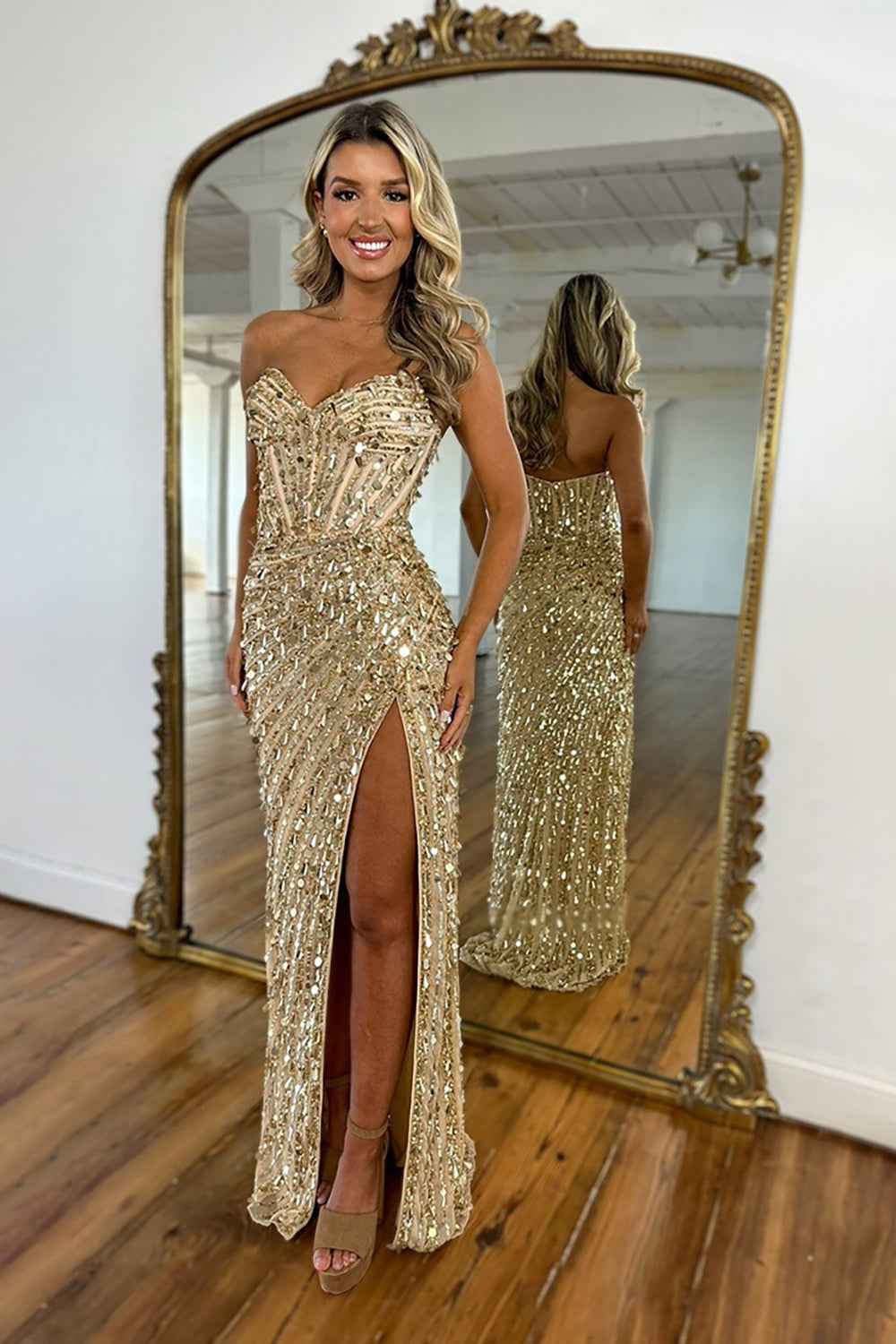
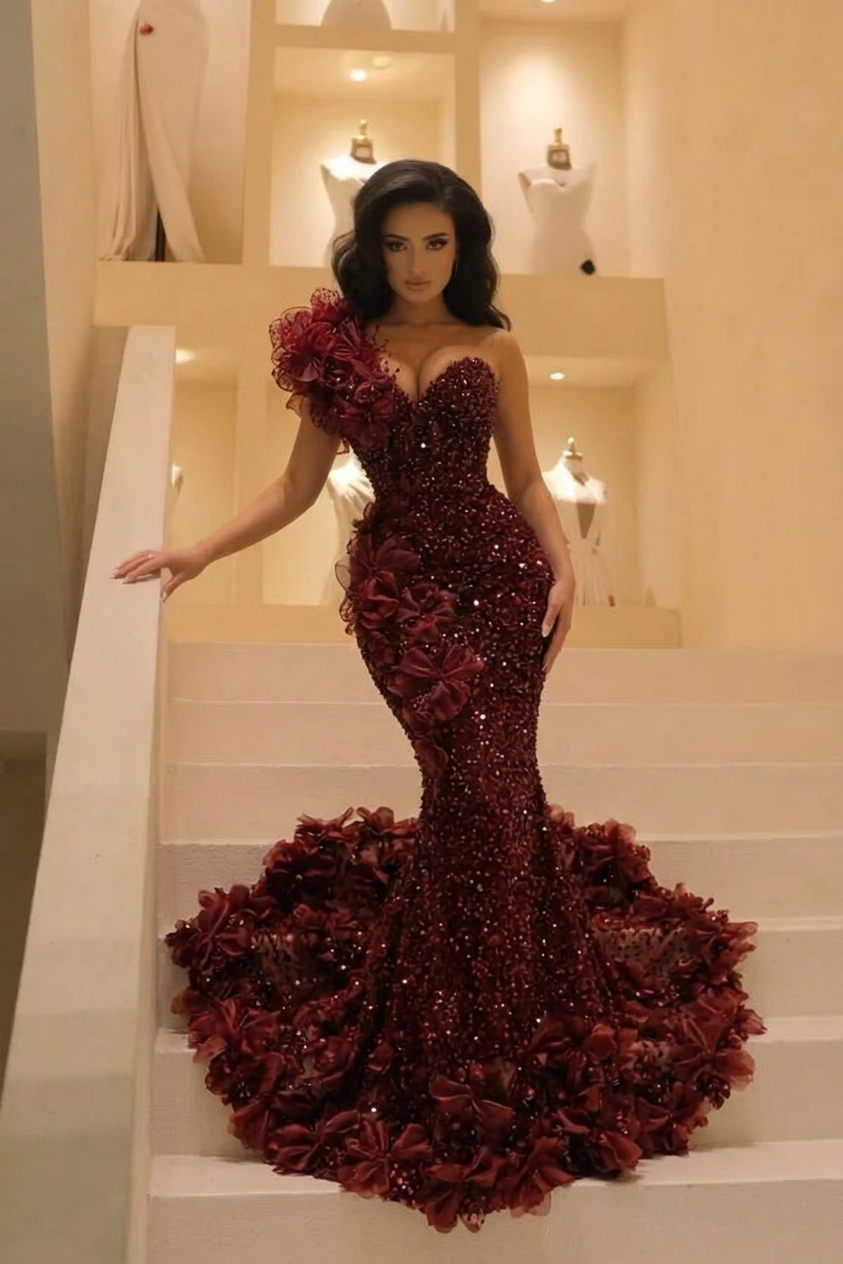
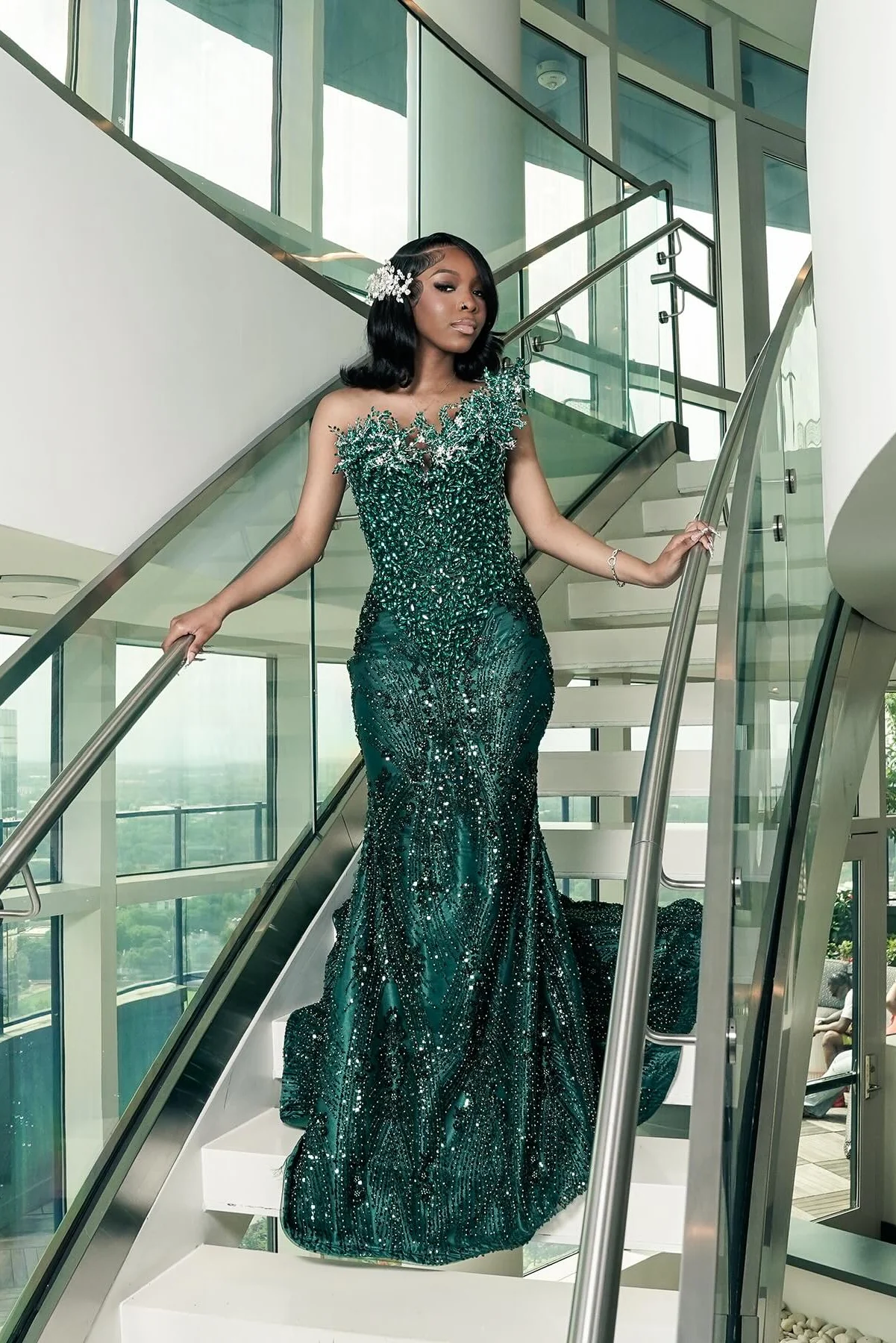
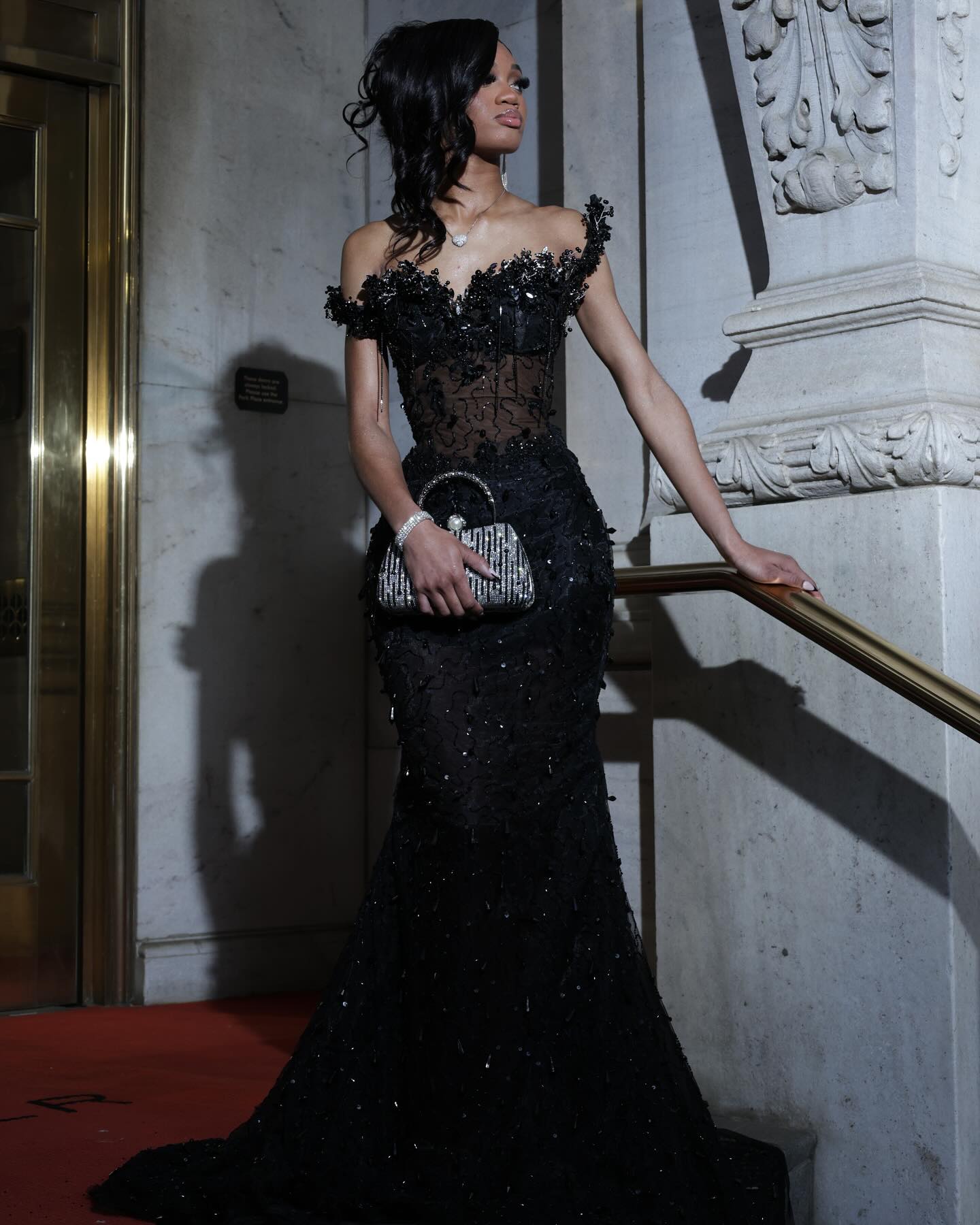

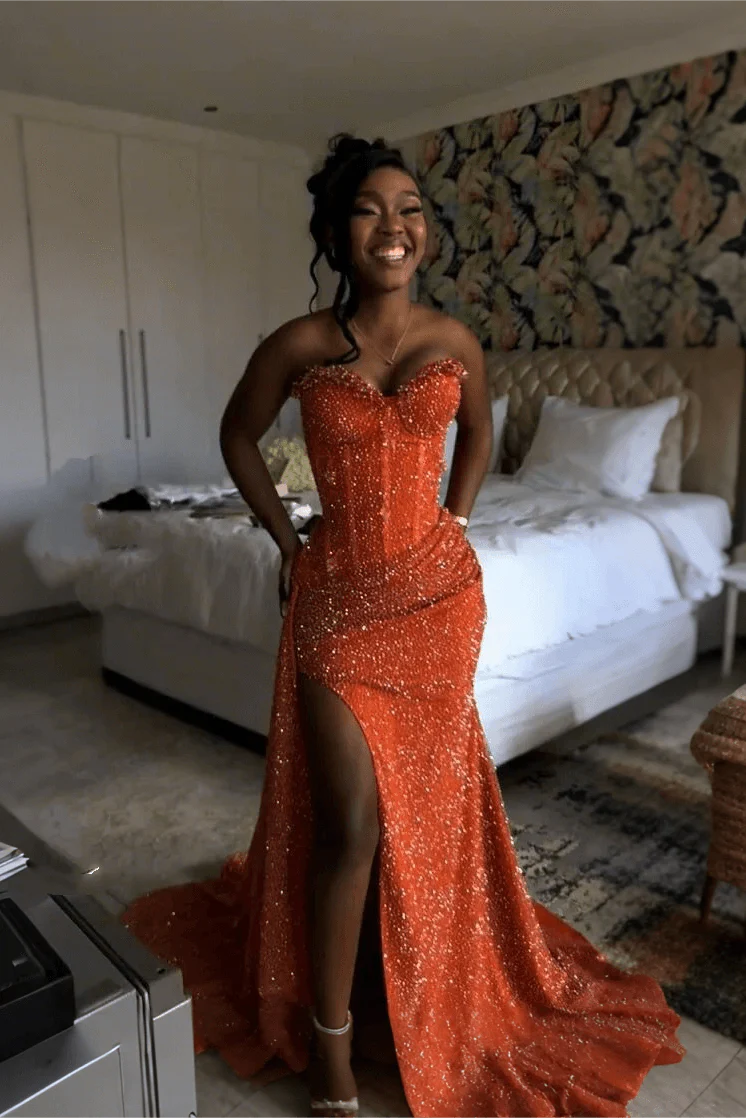
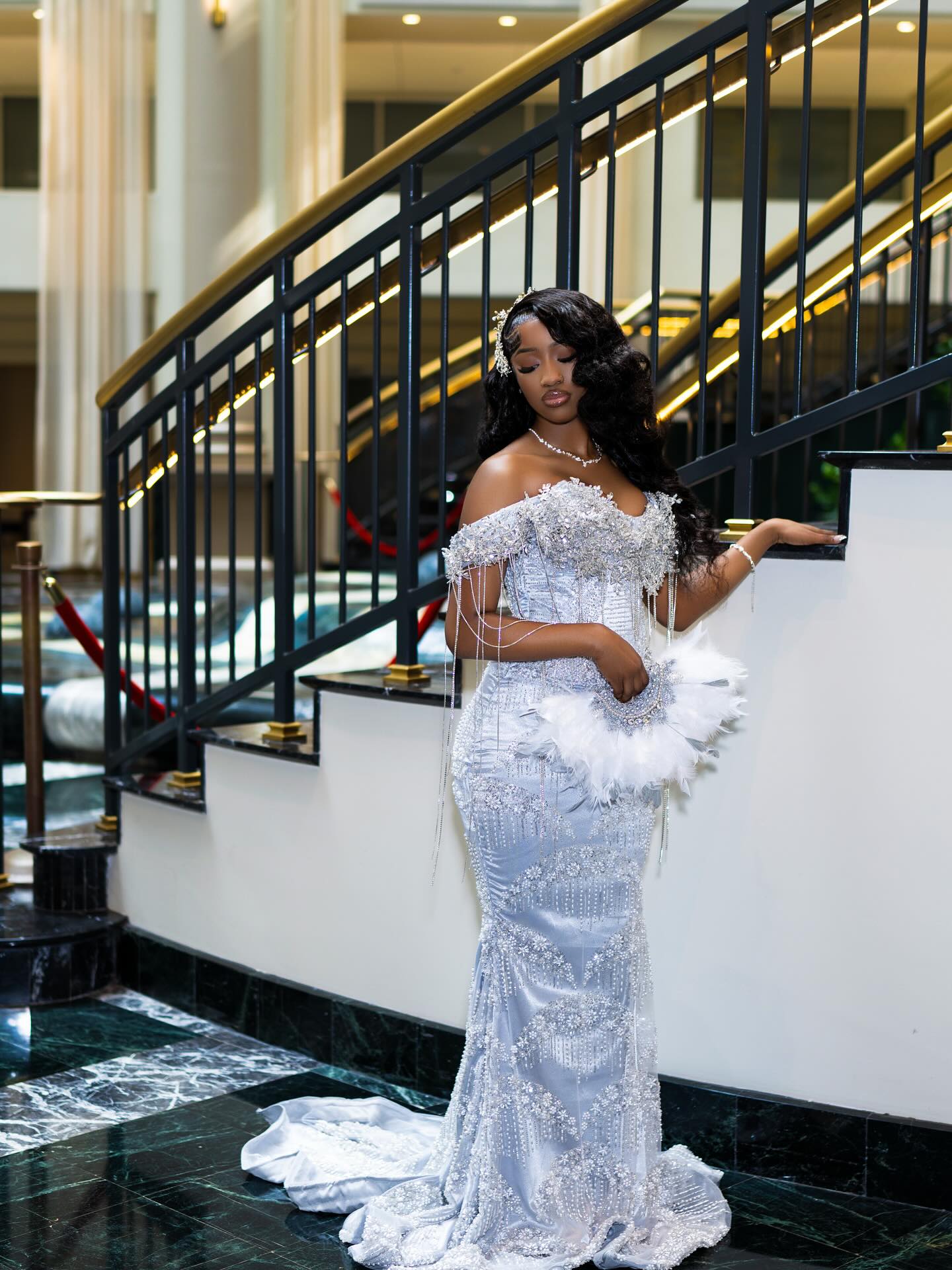
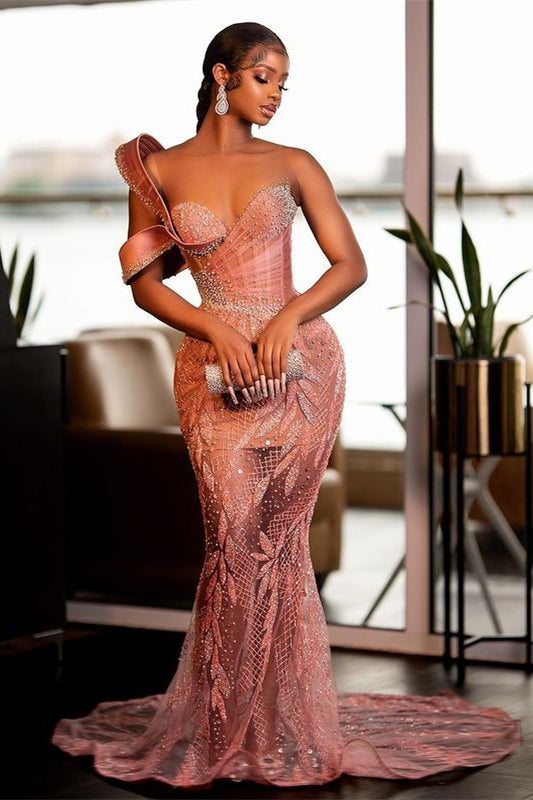
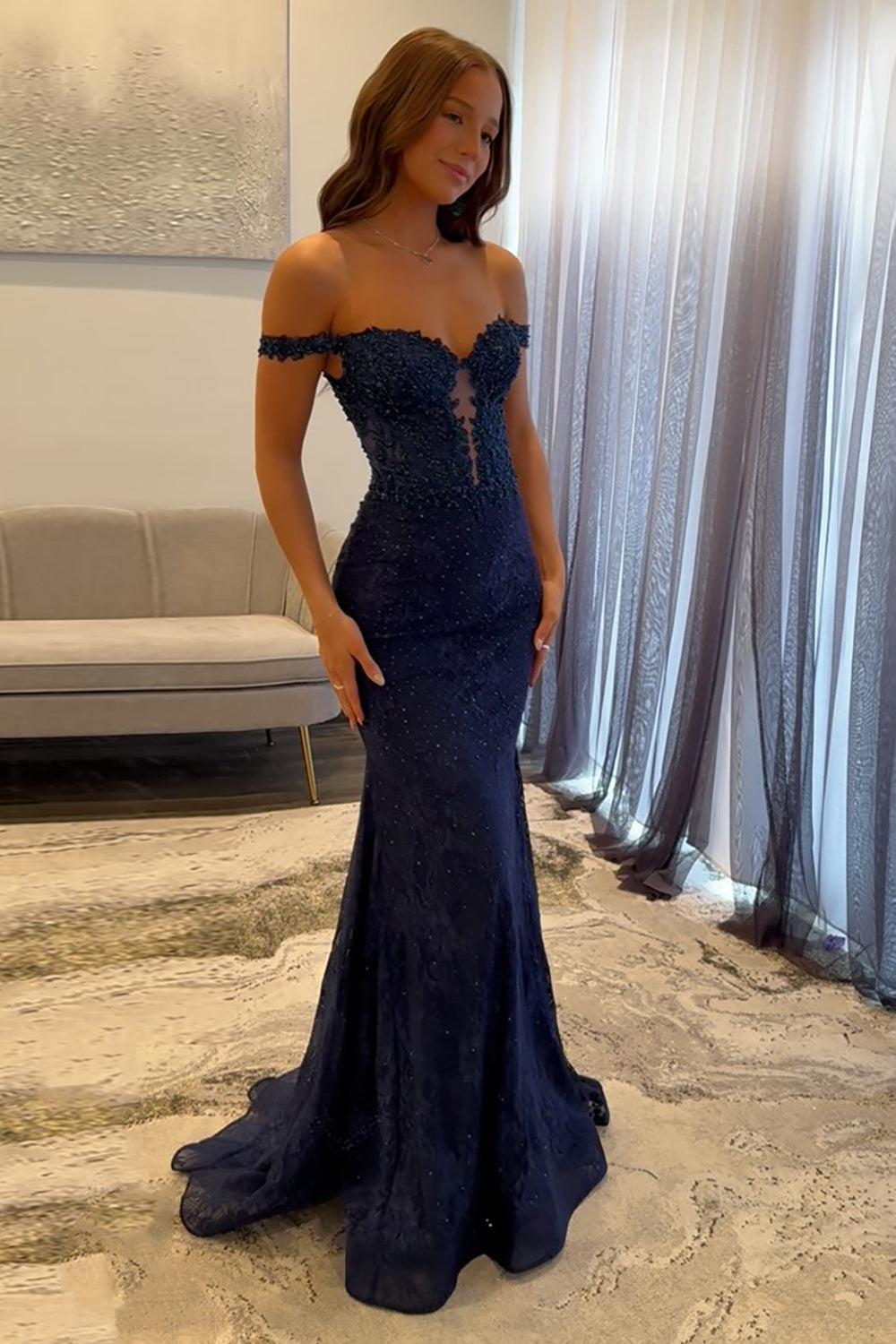

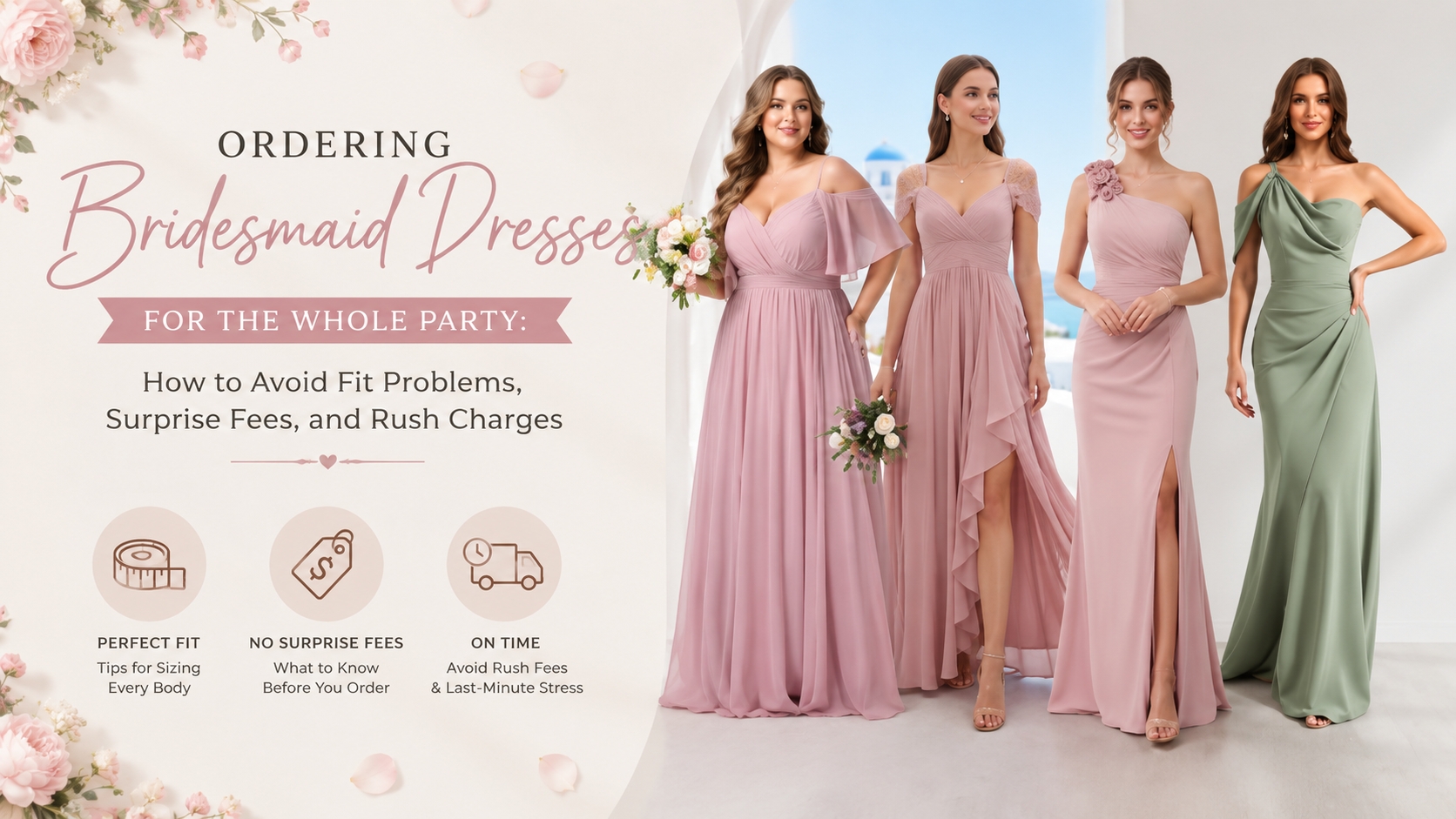
The expensive part of bridesmaid dress shopping usually isn’t the dress. It’s the stuff that shows up later: hemming bills, rush surcharges, and delivery fees nobody saw coming. If you’re the Maid of Honor trying to keep six people on schedule and on budget, that’s the difference between a smooth order and a group chat meltdown.
How far in advance should a whole bridal party order bridesmaid dresses?
A whole bridal party should order bridesmaid dresses 6–9 months before the wedding.
That timeline protects you from the three problems that cause the most stress: rush fees, limited color availability, and not enough time for alterations. Most made-to-order bridesmaid dresses need 12–16 weeks for production and shipping, and then another 2–4 weeks for tailoring.
What does the safest ordering timeline look like?
If you plan backward from the wedding date, the process gets much easier.
|
Wedding timing |
What to do |
Why it matters |
|---|---|---|
|
9 months out |
Finalize color palette and preferred fabric |
Prevents last-minute style drift |
|
8 months out |
Collect fresh measurements from every bridesmaid |
Formalwear sizing is rarely the same as everyday sizing |
|
7 months out |
Decide who needs standard vs custom sizing |
Reduces major alteration risk |
|
6–7 months out |
Place the full order |
Best buffer for production and delivery |
|
2–3 months out |
Schedule alterations after dresses arrive |
Hemming and strap adjustments are common |
|
2–4 weeks out |
Do final fittings |
Leaves room for shoe height and undergarment changes |
Why is waiting expensive?
Because late orders compress every step after checkout. Rush fees often land between $50 and $150 per dress, so a bridal party of six can add $300 to $900 in avoidable cost just by ordering too close to the wedding.
How should bridesmaids choose between standard sizes and custom sizing?
Bridesmaids should choose standard sizing when their measurements match one brand chart closely, and custom sizing when those measurements span multiple sizes.
Bridesmaid dresses are not sized like jeans, officewear, or casual dresses. In practice, many shoppers find bridal sizing runs 1–2 sizes smaller than what they wear day to day.
When does standard sizing work best?
Standard sizing is usually the better call when:
-
bust, waist, and hip measurements all land near one size on the brand chart
-
the dress shape is forgiving, like A-line or flowy chiffon
-
the bridesmaid is fine budgeting for light tailoring, especially hemming
When is custom sizing worth it?
Custom sizing is usually smarter when:
-
bust, waist, and hips fall into different size brackets
-
the bridesmaid regularly struggles with waist fit, bust fit, or hip fit in formalwear
-
the group wants to reduce the chance of expensive reshaping later
BMBridal is useful here because it offers bridesmaid dresses in standard, custom, and plus sizes in the same shopping flow.
How do you keep everyone coordinated without forcing one cut?
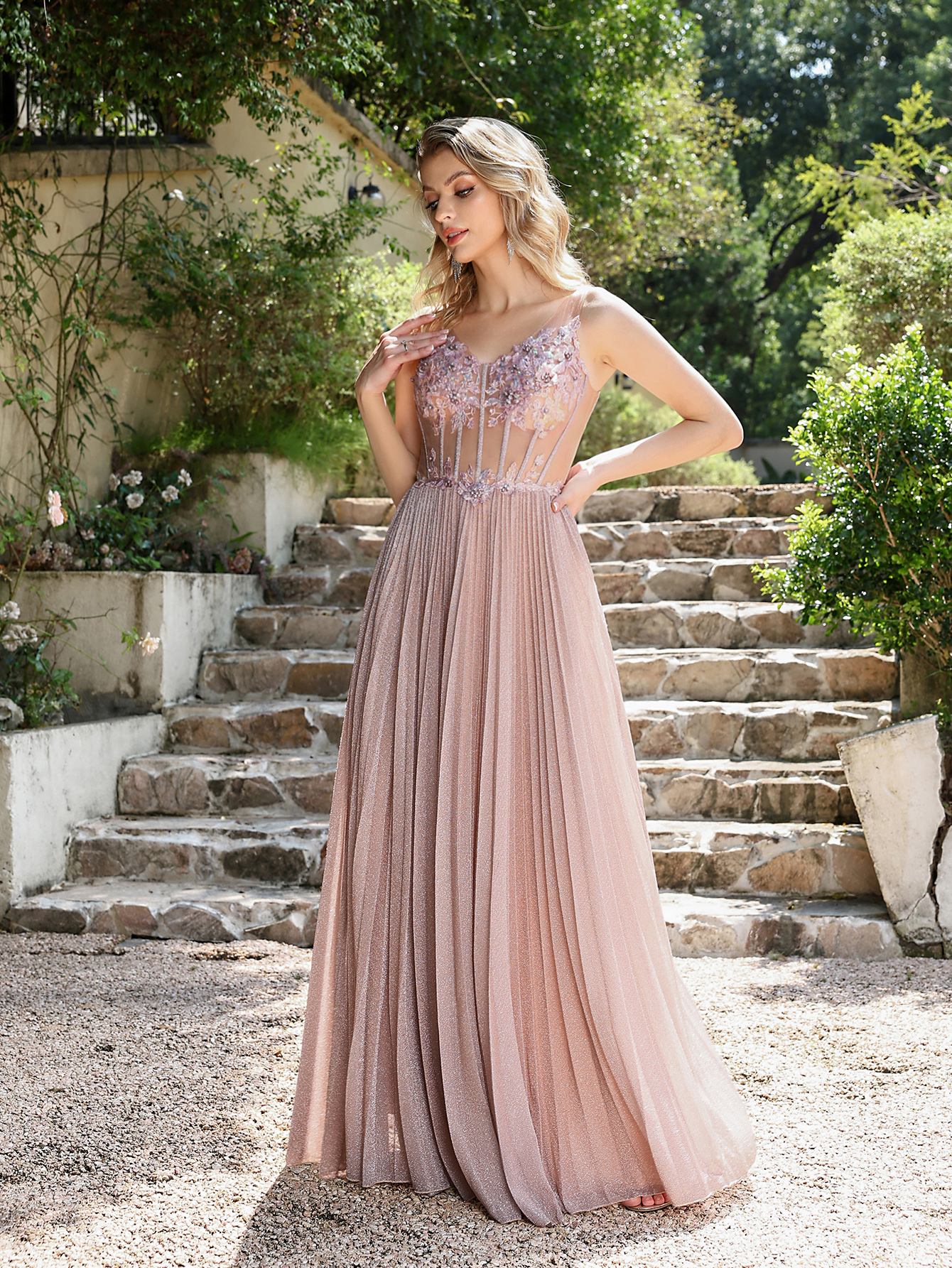
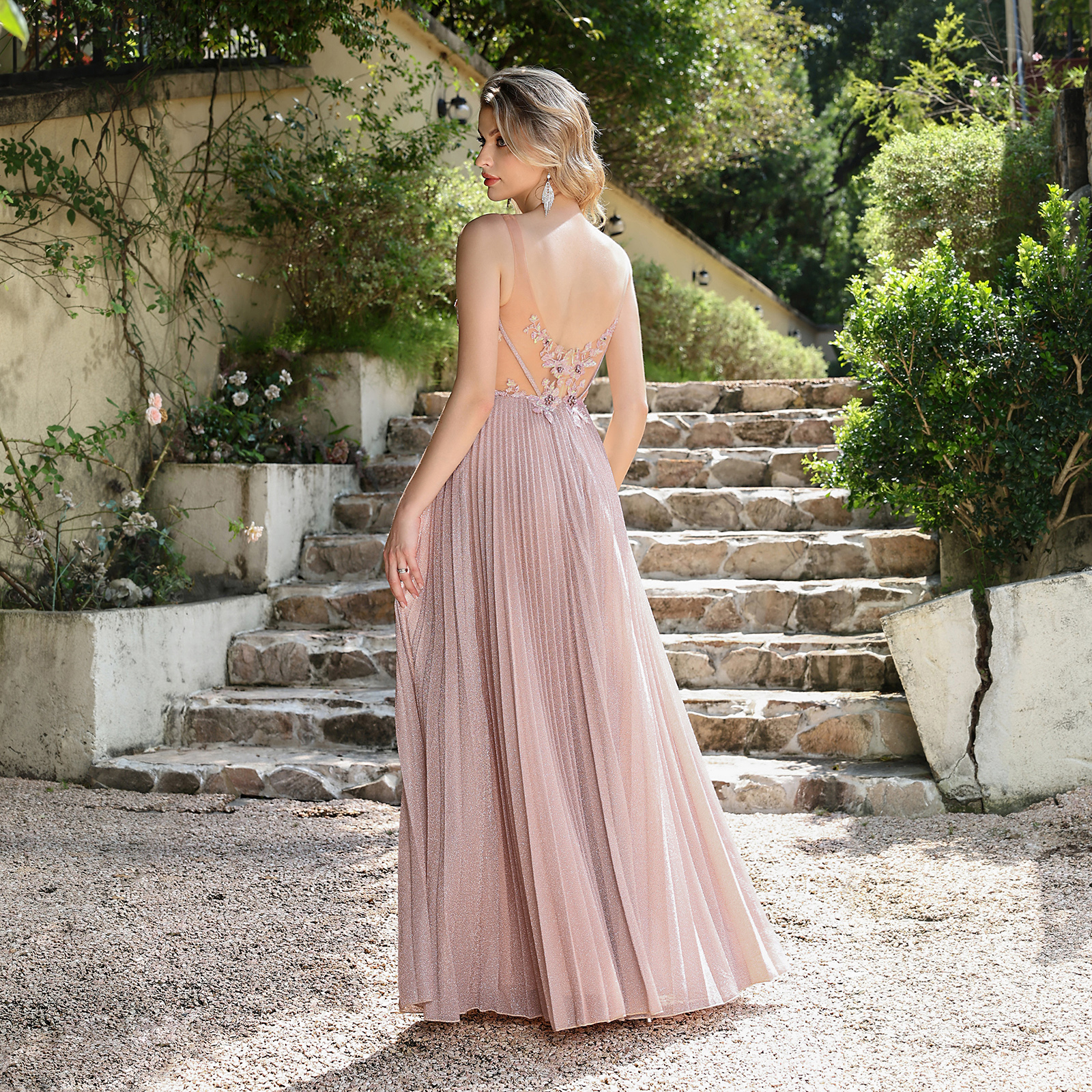
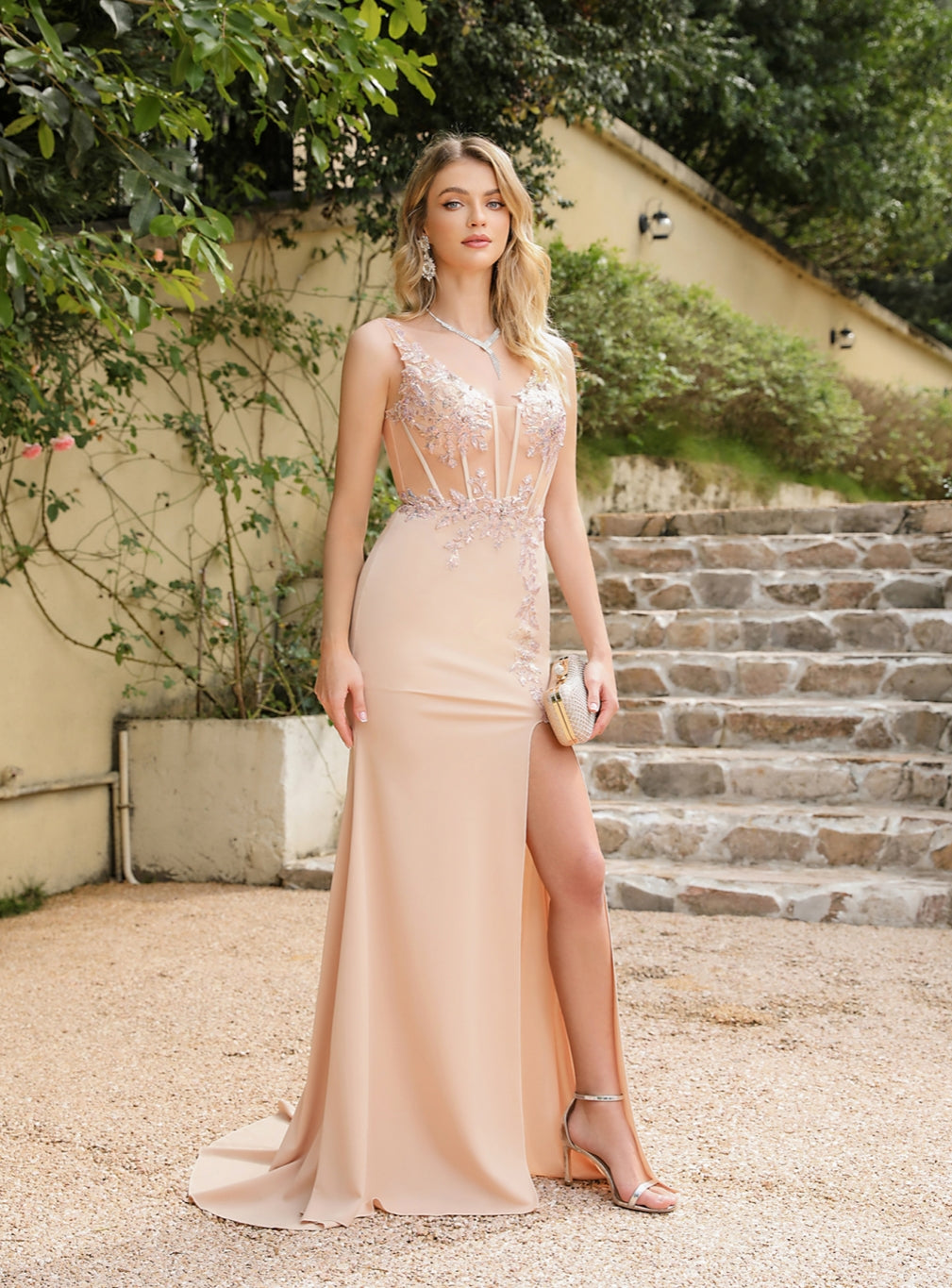
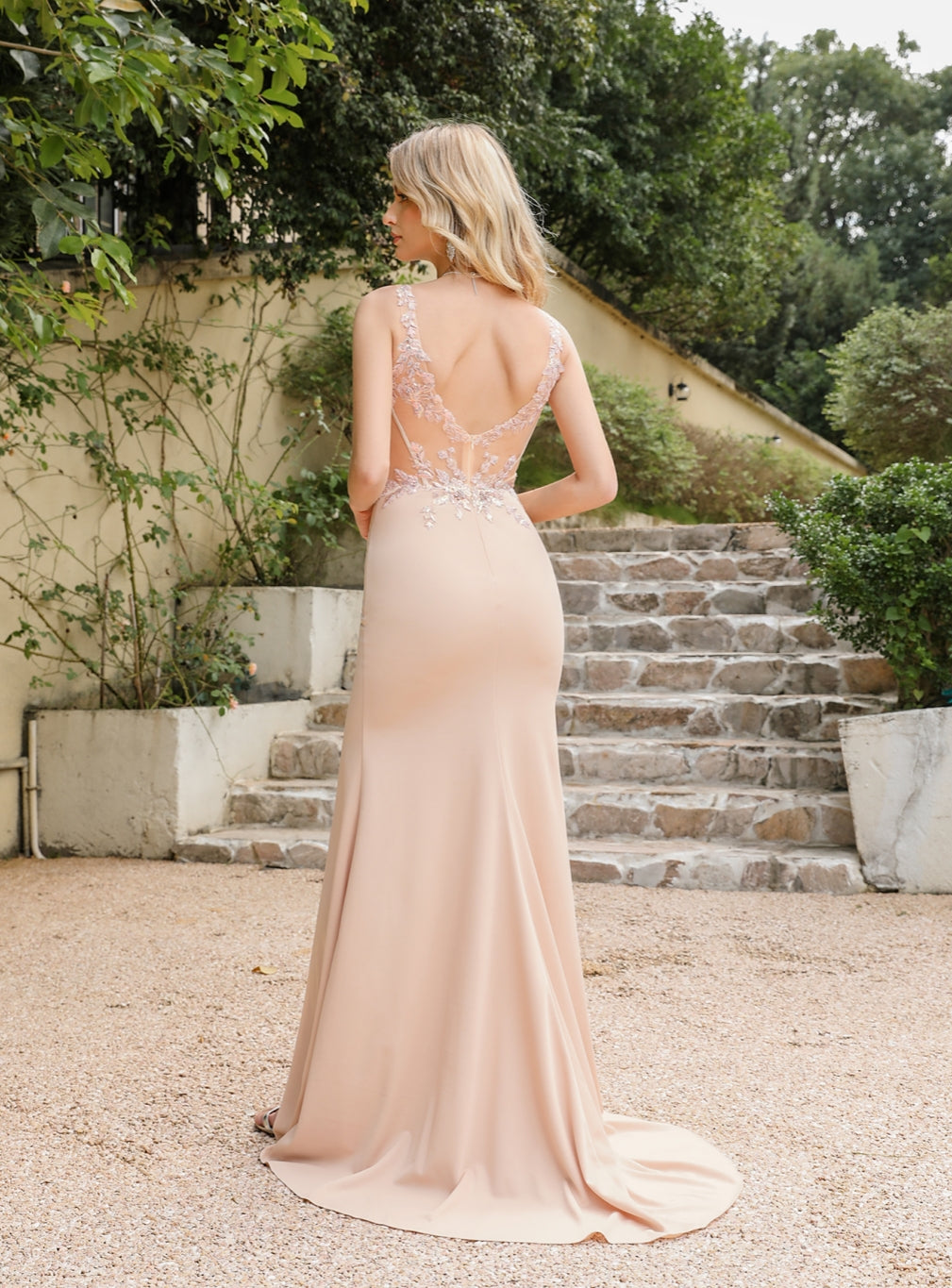
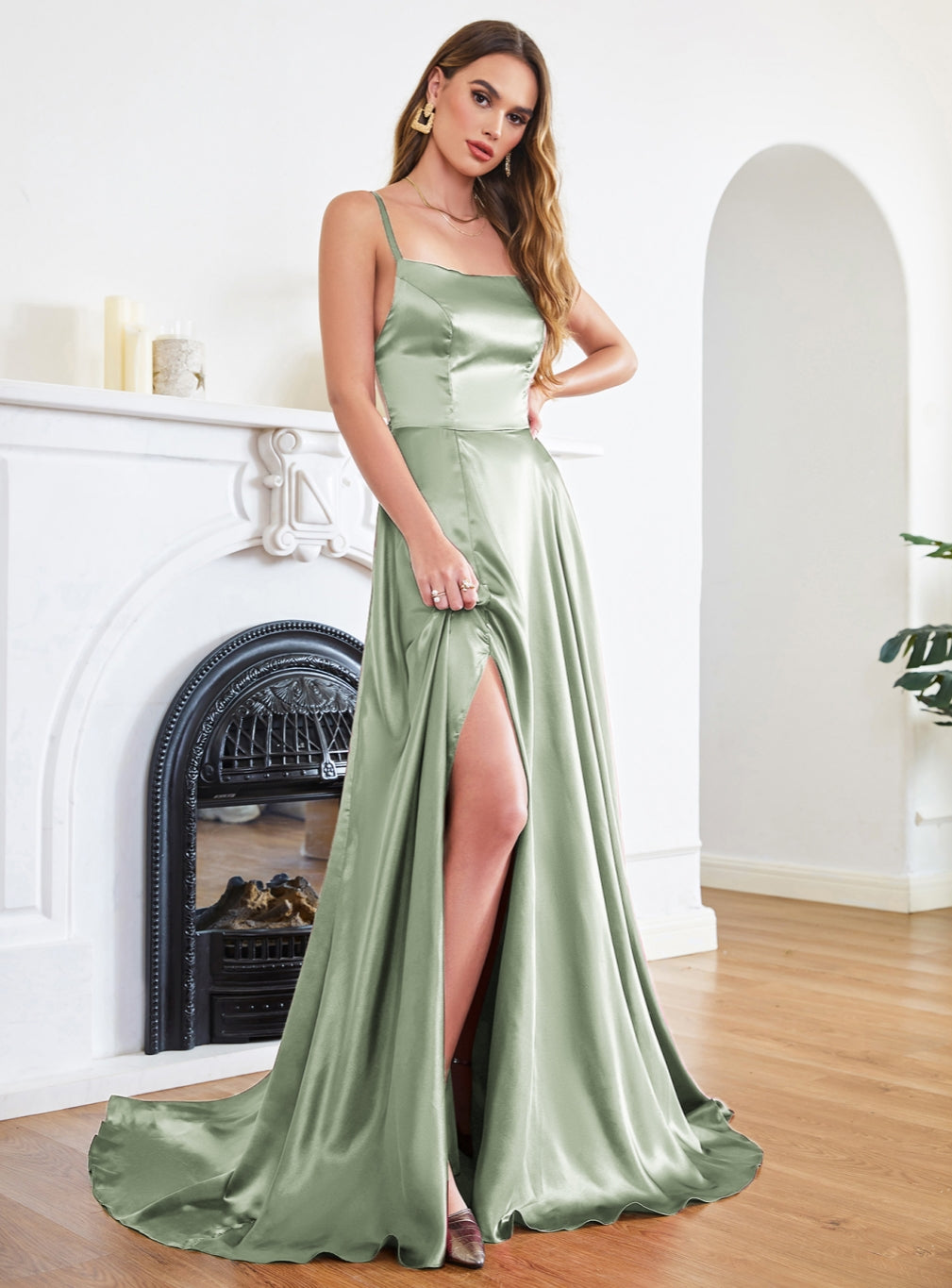
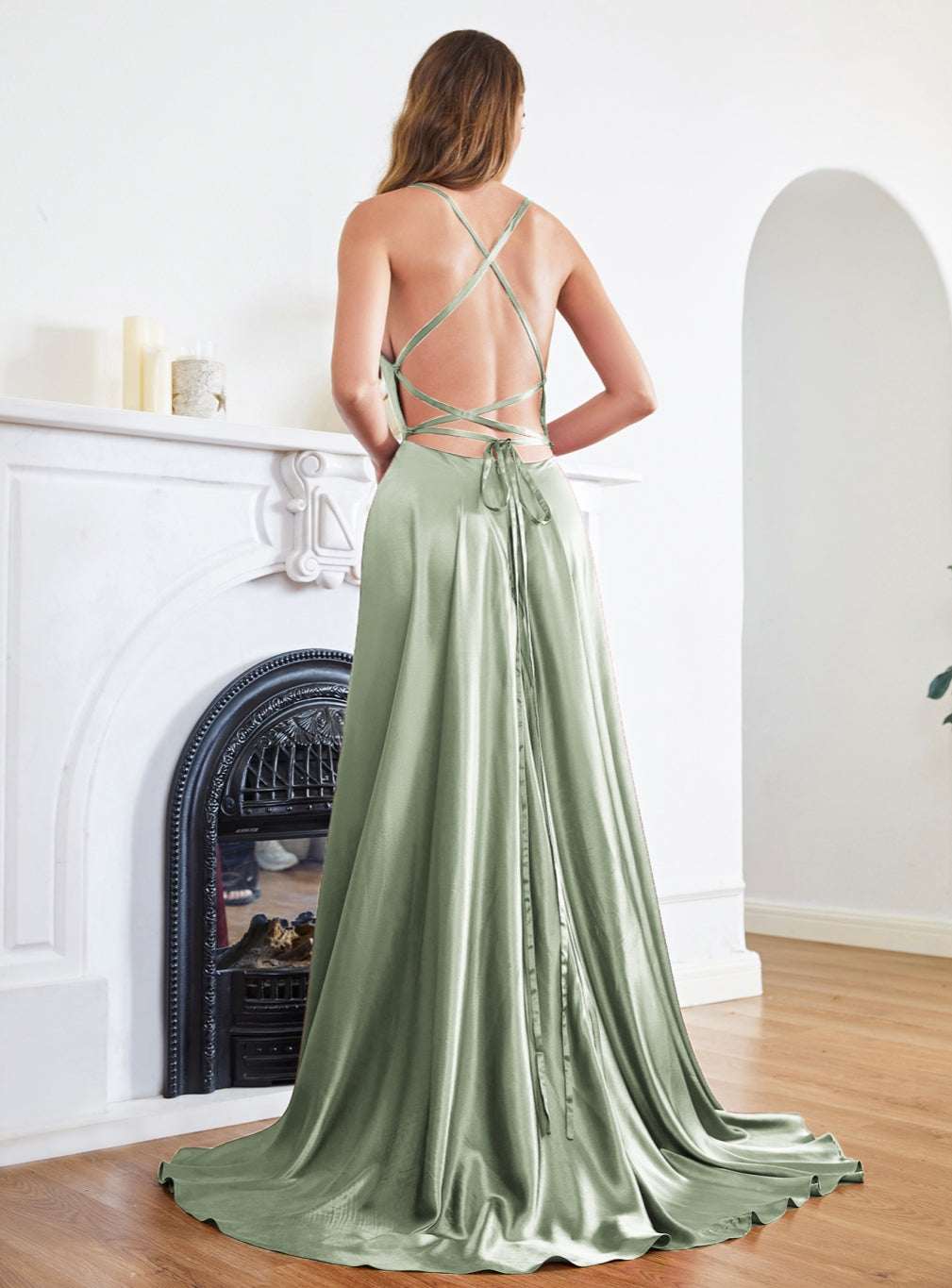
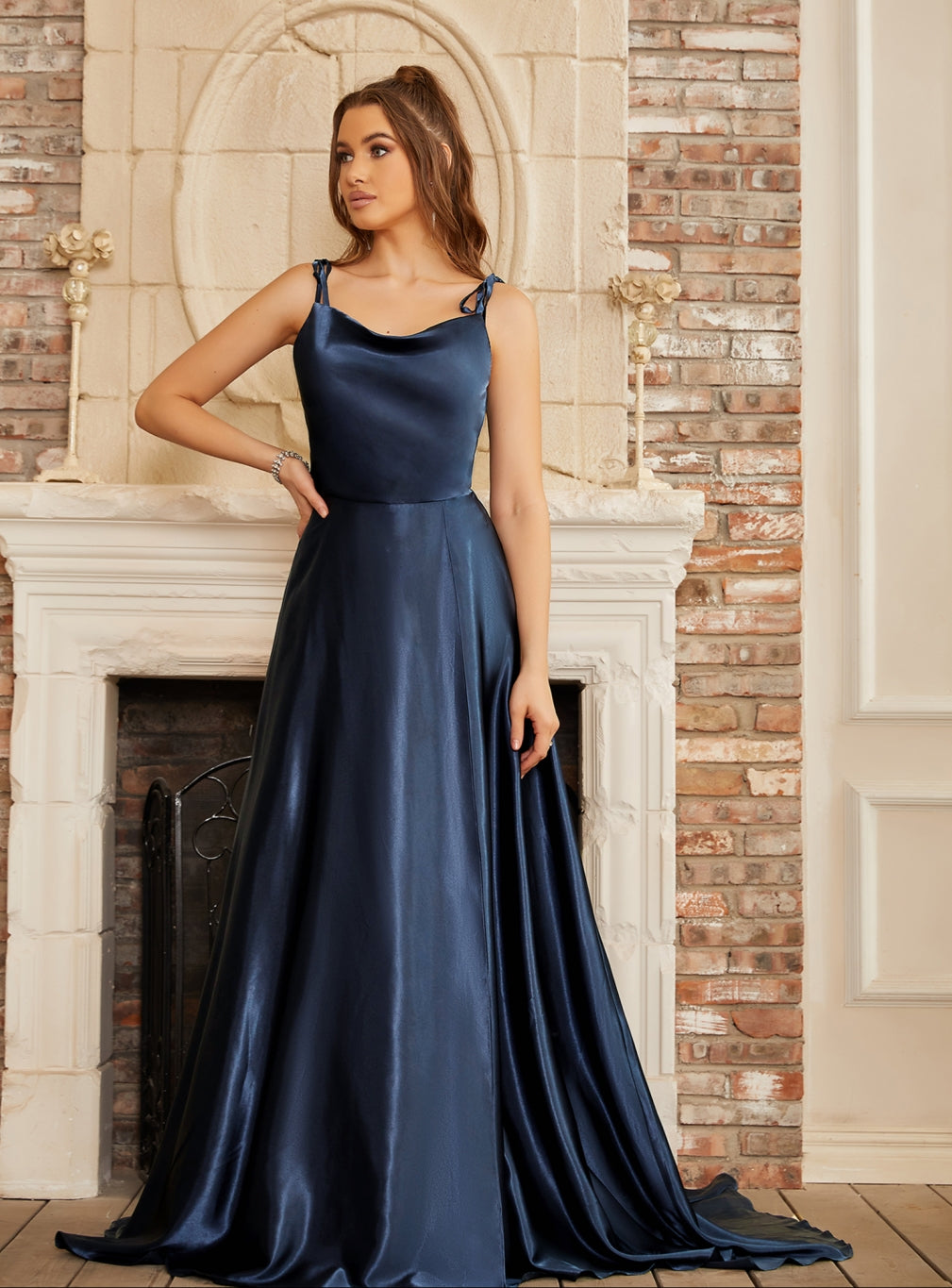
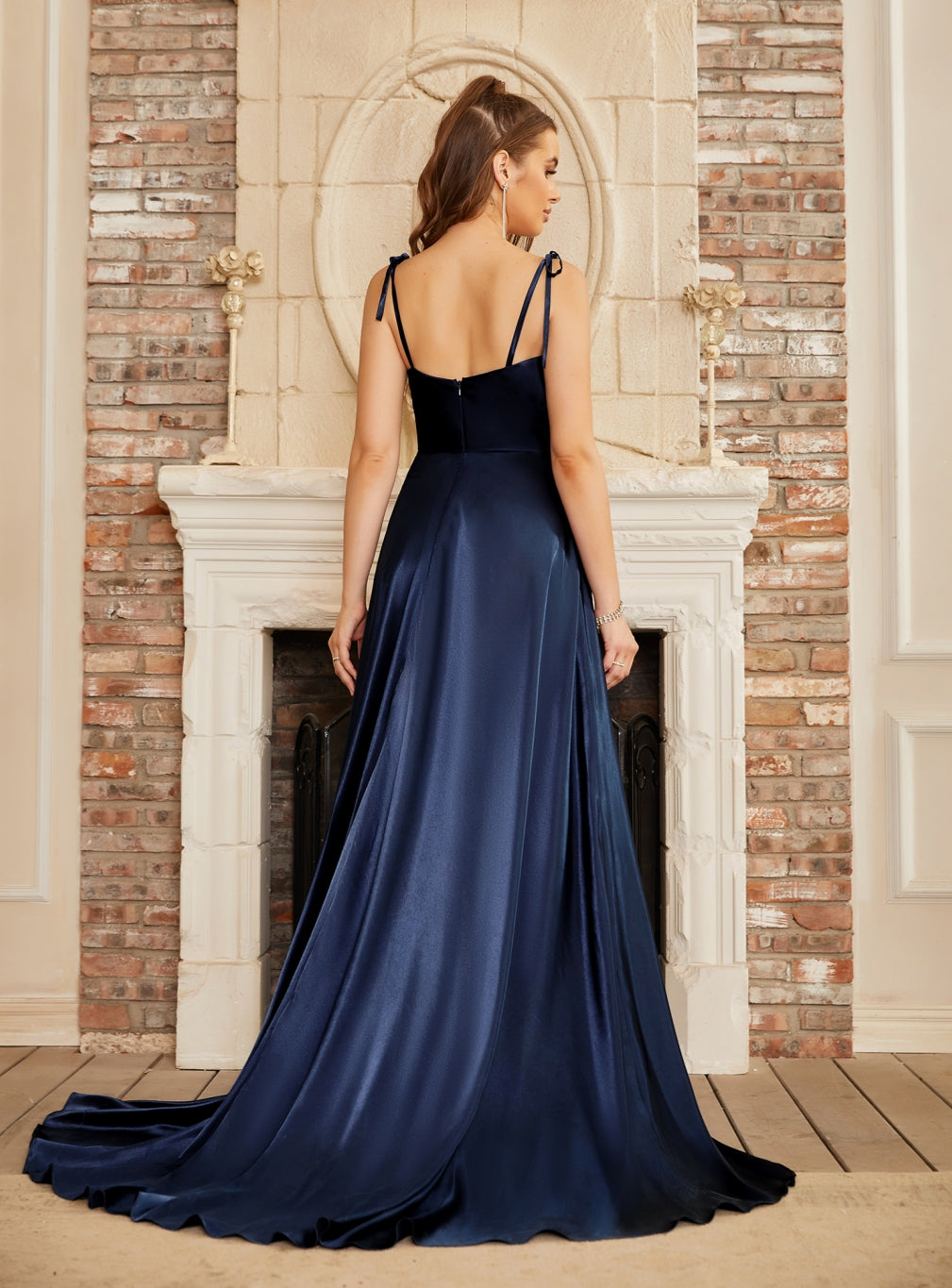
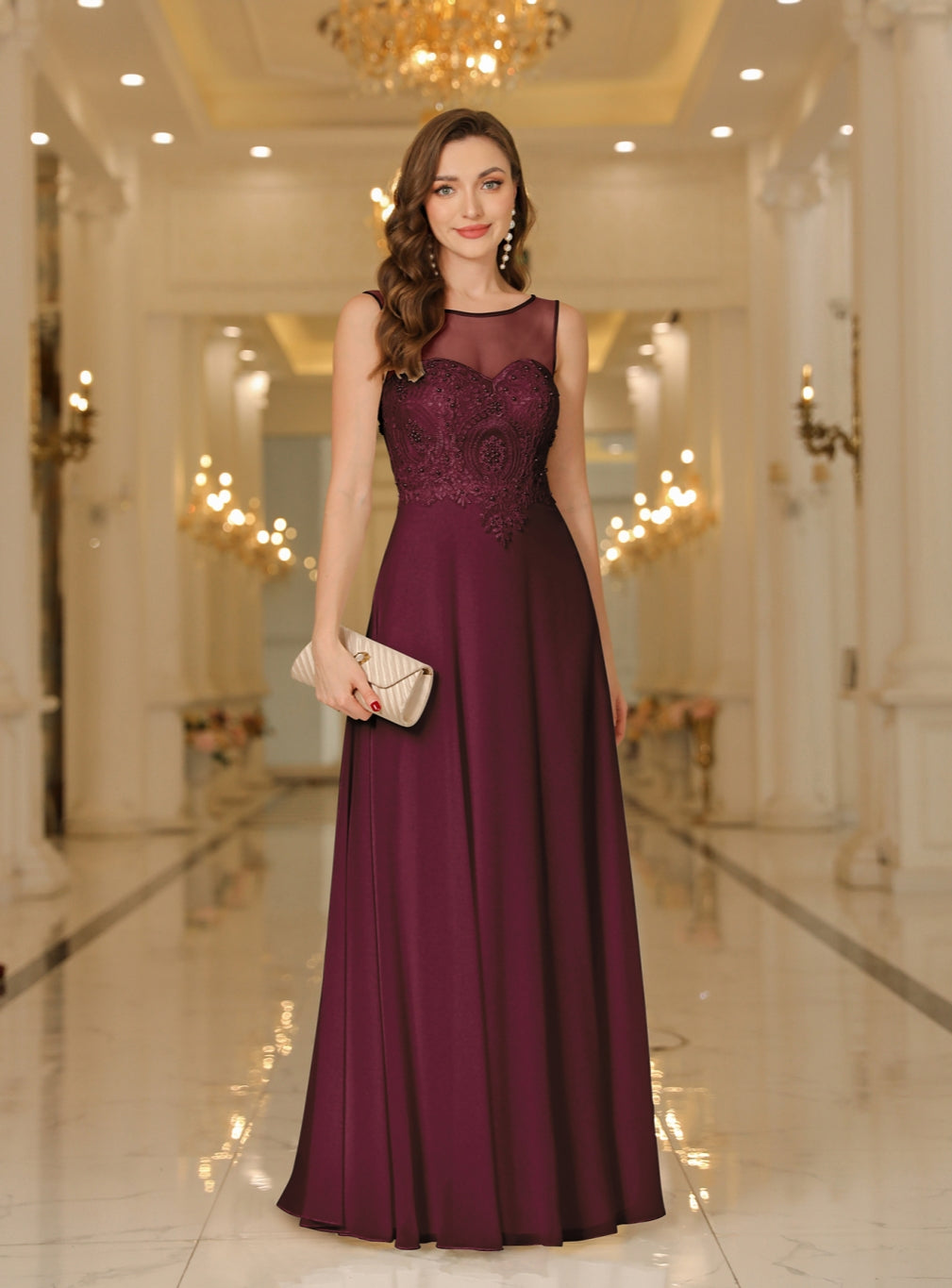
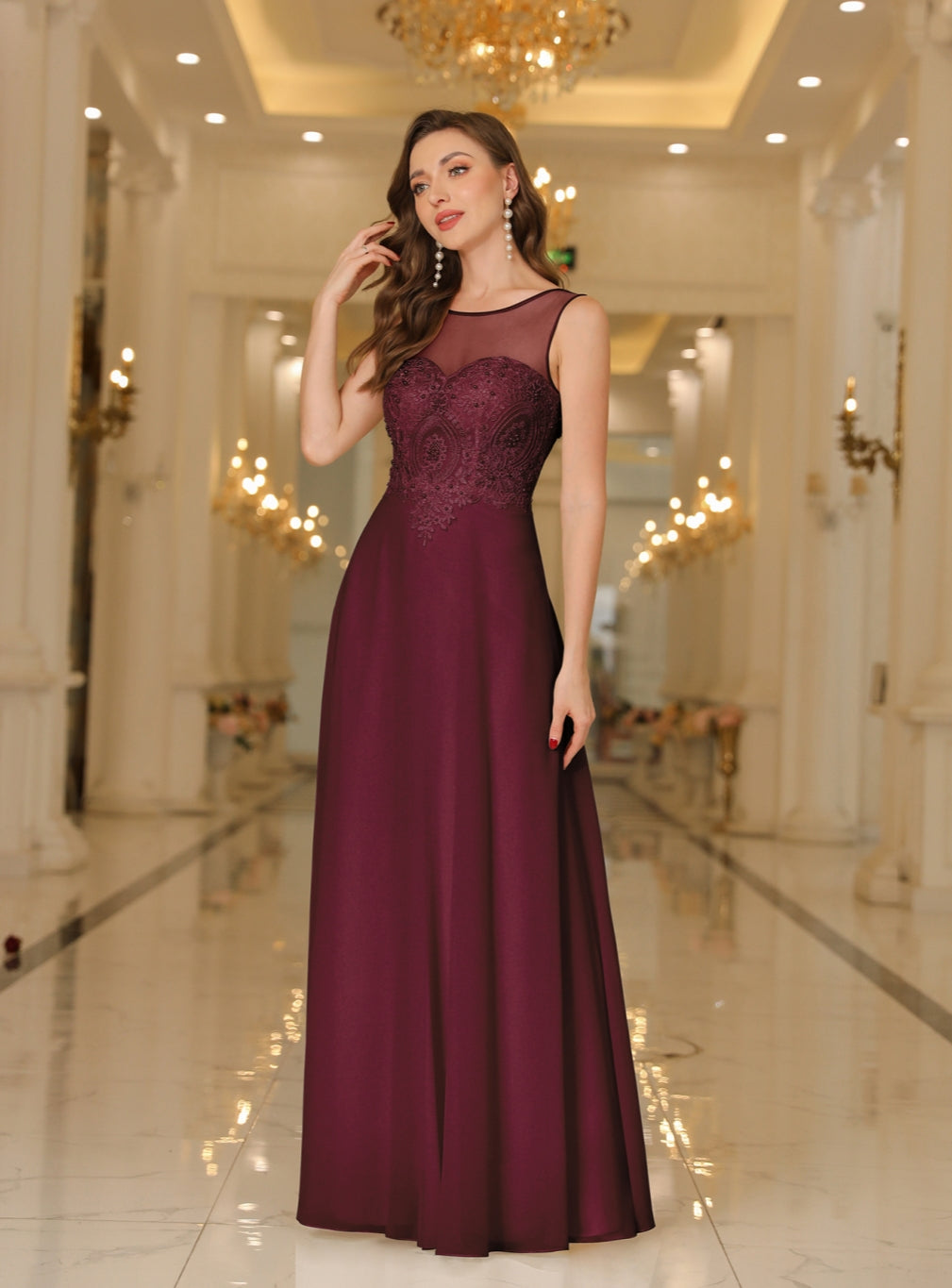
The cleanest approach is to match color and fabric, then vary silhouette. That gives the wedding party a cohesive look without pretending one neckline works on every body. BMBridal’s plus-size bridesmaid dresses make that strategy easier than the one-style-only approach.
What fees should the whole party budget for besides the dress price?
The real bridesmaid dress budget usually lands around $300–$500 per person once you include alterations, shipping, and possible rush charges.
A listed dress price is only the starting point. In 2026, a typical bridesmaid dress often falls around $128–$150, but alterations can add another $60–$200, and rush processing can push the total even higher.
What does a realistic 2026 cost breakdown look like?
|
Cost item |
Typical 2026 range |
Main cost drivers |
|---|---|---|
|
Dress |
$128–$150 |
Fabric, silhouette, customization |
|
Alterations |
$60–$200 |
Hem, straps, bust shaping, waist adjustment |
|
Rush fee |
$50–$150 |
Late ordering |
|
Shipping/duties |
Varies |
Destination and retailer policy |
|
Total spend |
$300–$500 |
Dress + tailoring + extras |
Why do bridesmaids feel blindsided by the final cost?
Because the surprise charges usually appear after the group has already committed to a color and style. A dress that looks affordable at checkout can stop feeling affordable once tailoring and delivery costs show up.
How can you avoid surprise shipping fees or import charges?
You avoid surprise shipping fees by checking whether duties and taxes are prepaid before the order is placed.
The term to look for is DDP shipping, which means Delivered Duty Paid. In plain English, the retailer collects duties and taxes upfront instead of leaving them to the customer at delivery.
Why does DDP matter for a group order?
Frequently Asked Questions
How much do bridesmaid dress alterations usually cost?
Bridesmaid dress alterations usually cost $60–$200. Hemming is the most common charge, but straps, bust shaping, and waist adjustments can push the total higher depending on the dress and local tailoring rates.
Should bridesmaids order their current measurements or size down?
Bridesmaids should order for their current measurements. Formalwear timelines are too tight to gamble on future weight changes, and bridal sizing already tends to run smaller than regular clothing.
Can a bridal party wear different styles in the same color?
Yes, and it often looks better than forcing one silhouette on everyone. Matching the color and fabric usually creates enough visual consistency for photos while giving each person a more flattering fit.
What does DDP shipping mean for bridesmaid dresses?
DDP means Delivered Duty Paid. Duties and taxes are prepaid, which makes the final cost more predictable and reduces the chance of surprise charges at delivery.
Are modest bridesmaid dresses available in custom and plus sizes?
Yes, if the retailer carries inclusive fit options within the same collection. The best assortments combine sleeves, higher necklines, standard sizing, custom sizing, and plus sizes without breaking the color story.
About the Author
Emily is a bridal fashion writer focused on fit strategy, bridal party coordination, and occasionwear buying. She writes practical guides that help shoppers make smarter decisions about sizing, timelines, and total cost so formalwear feels manageable instead of chaotic.
References
-
The Knot — wedding party spending and bridesmaid cost guidance: https://www.theknot.com
-
Brides — bridesmaid dress ordering and alterations guidance: https://www.brides.com
-
WeddingWire — bridesmaid attire planning and budgeting resources: https://www.weddingwire.com
-
BMBridal official website and product catalog: https://www.bmbridal.com
.jpeg?w=1600&h=2133)
.jpeg?w=1600&h=2133)