

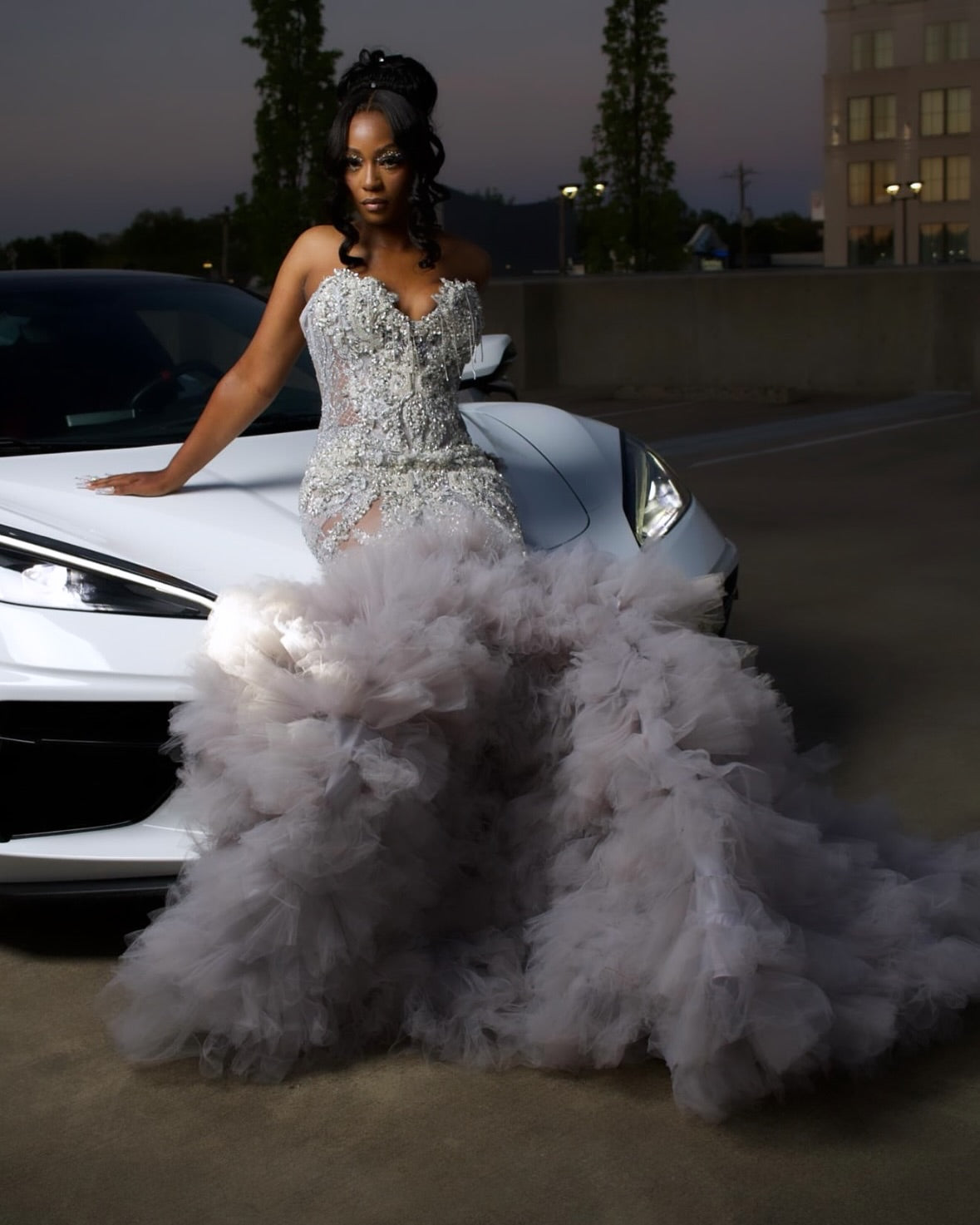

Lace Wedding Dresses: How to Compare Patterns, Placement & Details
When shopping for lace wedding dresses, look beyond the word “lace” in a product title. The overall appearance of a lace gown depends on three separate details: the motif, where the decoration appears, and the background behind it. A dress may feature an all-over pattern, individual lace appliqués, and a separate base fabric without these descriptions contradicting one another.
You do not need to recognize every lace-making technique to find a gown you love. Understanding a few basic design terms can help you describe your preferences, compare similar styles, and read product descriptions more confidently.
In this guide, we will explain how to compare lace motifs, decorative placement, and background materials, with examples from the BMBRIDAL lace wedding gown collection.
Key Takeaways
| Detail | What It Helps You Compare |
|---|---|
| Lace motif | The flowers, leaves, lines, or other shapes within the pattern |
| Pattern placement | Where the decoration appears, becomes denser, or ends |
| Background | The visible fabric or open space behind and between the motifs |
| Material and embellishment | Different product description fields that provide separate information |
What Do Lace Descriptions Tell You About a Wedding Dress?
The word “lace” is a starting point, not a complete description of a wedding gown. Two dresses in the BMBRIDAL lace wedding gown collection may have different motifs, decorative arrangements, and combinations of materials.
When comparing lace wedding gowns, start by separating the words that describe the textile from those that describe its decorative features. This makes product descriptions easier to understand.
Understand the Lace Motif
A lace motif is the recognizable shape within a pattern. It might resemble a flower, a leaf, a curling line, or a geometric design.
Start with what you can actually see rather than trying to identify a specialist lace name. For example, “large floral motifs with visible space between them” is a useful way to describe a preference.
The Fashion and Lace Museum explains lace through its openwork and connected motifs. For wedding dress shopping, this provides two useful visual elements to consider: the decorative shapes and the spaces surrounding them.
When comparing two gowns, ask yourself:
-
Are the motifs floral, geometric, or more abstract?
-
Are the shapes large and noticeable or small and repetitive?
-
Is there visible space between the individual patterns?
These observations can help you identify the lace wedding dress style you prefer, even when product listings use different terminology.
Understand What All-Over Lace Means
When a product description uses the term “all-over lace,” look at how widely the pattern extends across the gown.
It does not necessarily mean every section has the same pattern density, motif size, or decorative treatment. The bodice, sleeves, and skirt may share a repeating design while still looking different from one another.
For example, a gown may have a closely patterned bodice and a more open-looking skirt. Another may carry its lace decoration from the neckline all the way to the hem.
Remember that all-over lace and additional lace appliqués are not necessarily opposite design choices. The first describes how widely a pattern appears, while the second can identify individual decorative elements added to particular areas.
Separate Material from Embellishment
A product's material field and embellishment field answer different questions. One may identify the fabric, while the other describes the decorative details.
For example, a listing might name tulle as the material and lace as the embellishment. This tells you how the seller describes those features, but it does not necessarily provide a complete inventory of every layer or fiber used in the gown.
Keep the wording connected to the field where it appears. Saying “the product page lists tulle as the material and lace as the embellishment” is more accurate than assuming the entire dress is made from only one of them.
Where Does the Lace Pattern Draw Your Attention?
Once you have identified the motif, follow its placement across the wedding gown. You may discover that your preference is not a particular lace name, but the way the decoration is arranged.
Look at the Bodice as a Complete Design
Start with the bodice and notice whether the lace pattern is evenly distributed or concentrated in specific areas.
A prominent central floral motif creates a different visual effect from many small repeated shapes. Also, follow the decoration toward the neckline and waist.
Consider these details:
-
Does the lace finish at a clearly defined edge?
-
Does the pattern extend beyond the waistline?
-
Does the decoration become less dense near the skirt?
-
Are certain areas more heavily embellished than others?
These are visual differences rather than quality rankings. A simpler lace arrangement may be just as appealing as a heavily decorated design, depending on your personal style.
Follow the Transition from Bodice to Skirt
The transition between the bodice and skirt can make a significant difference to the overall appearance of a lace wedding dress.
Some gowns have detailed lace across the upper bodice with a more open or plain-looking skirt. Others continue the decorative pattern farther down, creating a more consistent look from top to bottom.
Compare a full-length photograph with a close-up of the bodice. The detail image helps you recognize individual motifs, while the full view shows how those details work within the complete design.

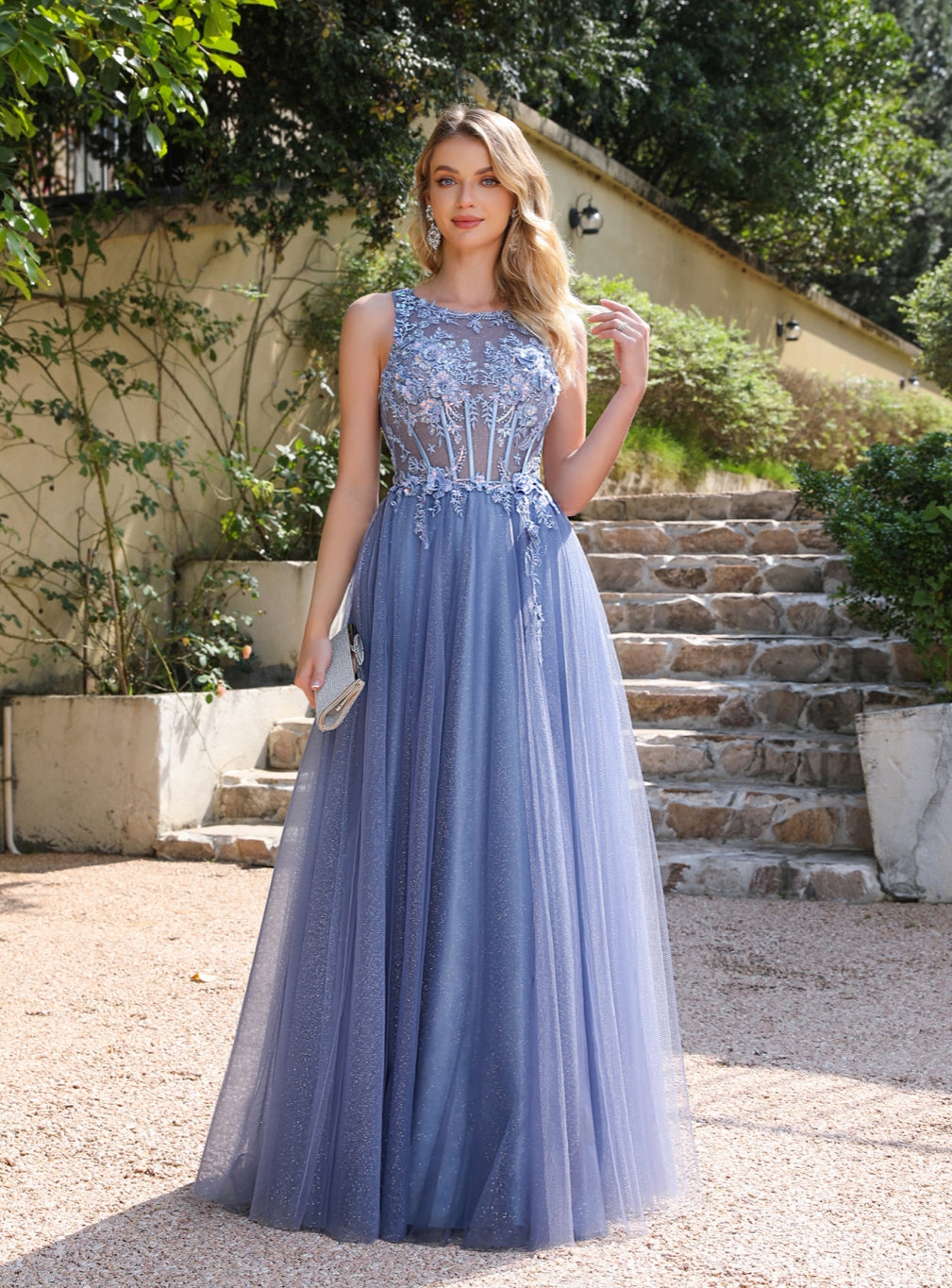
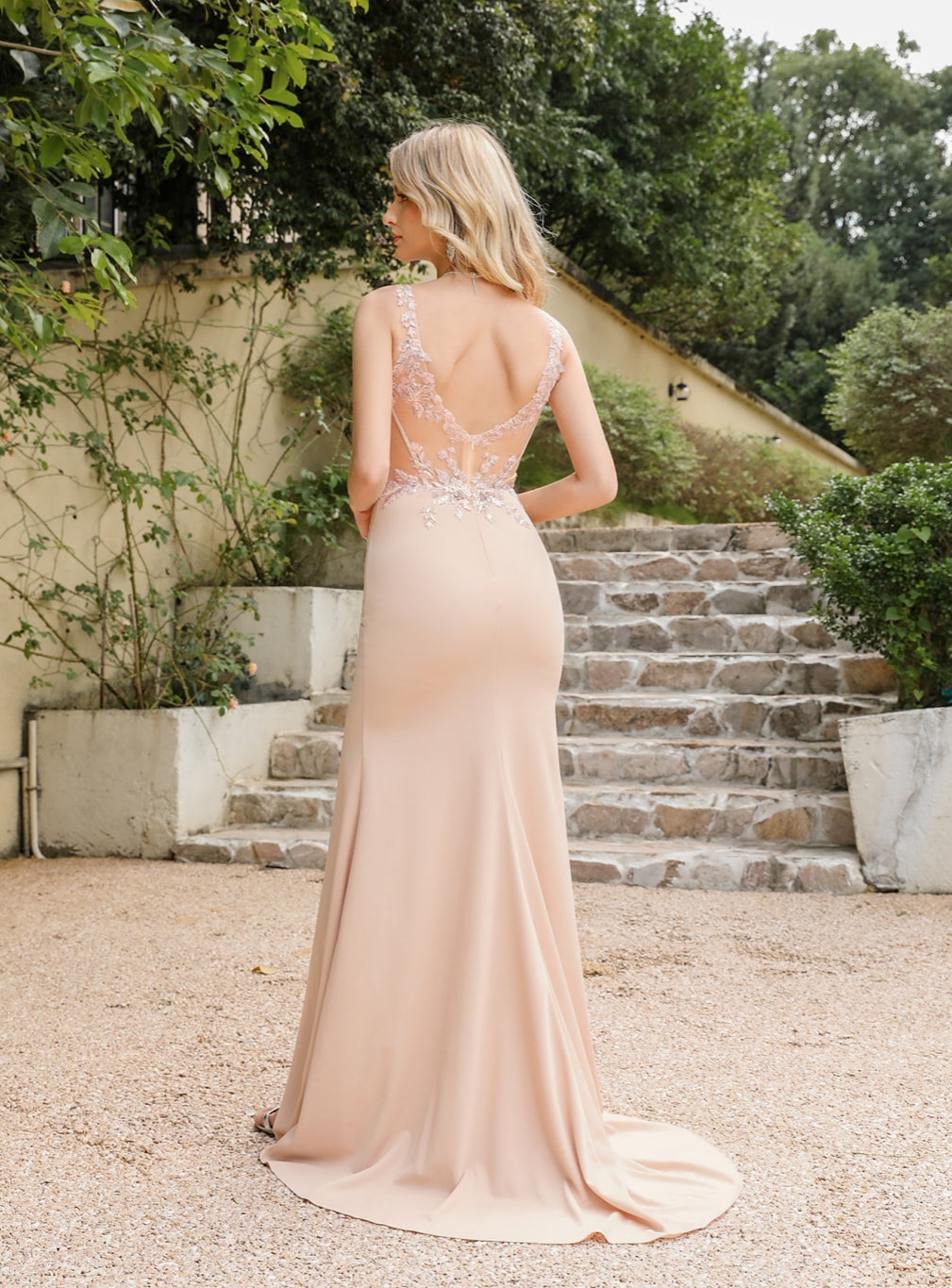
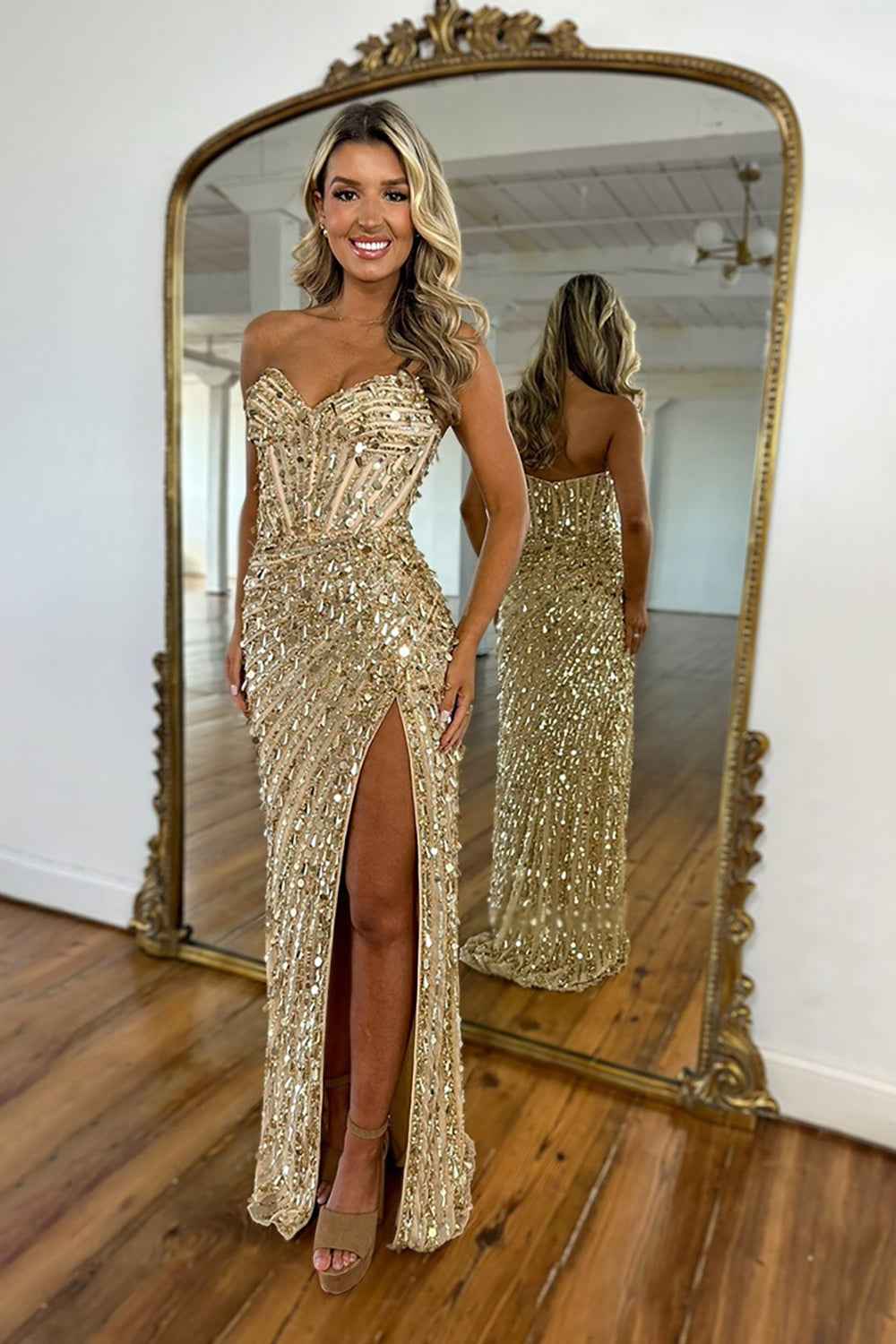
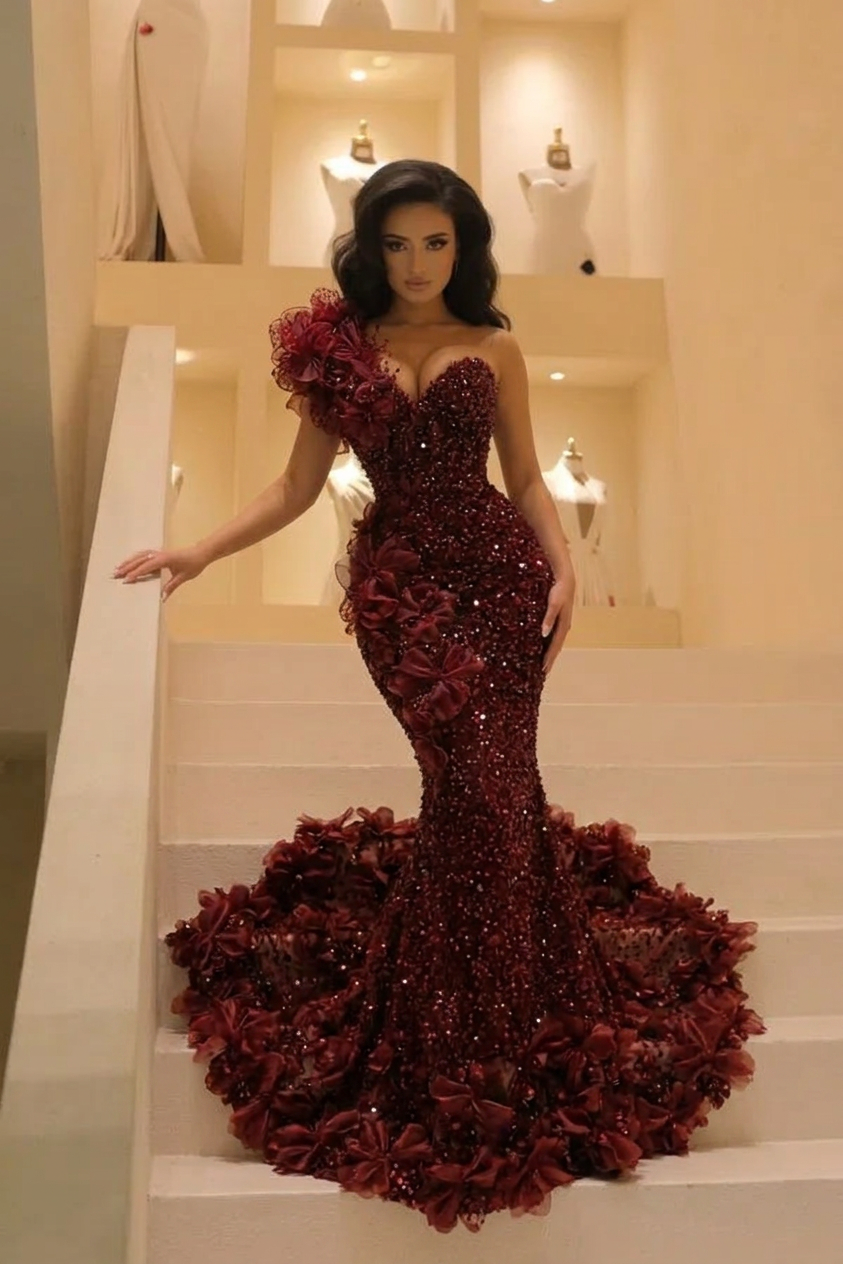
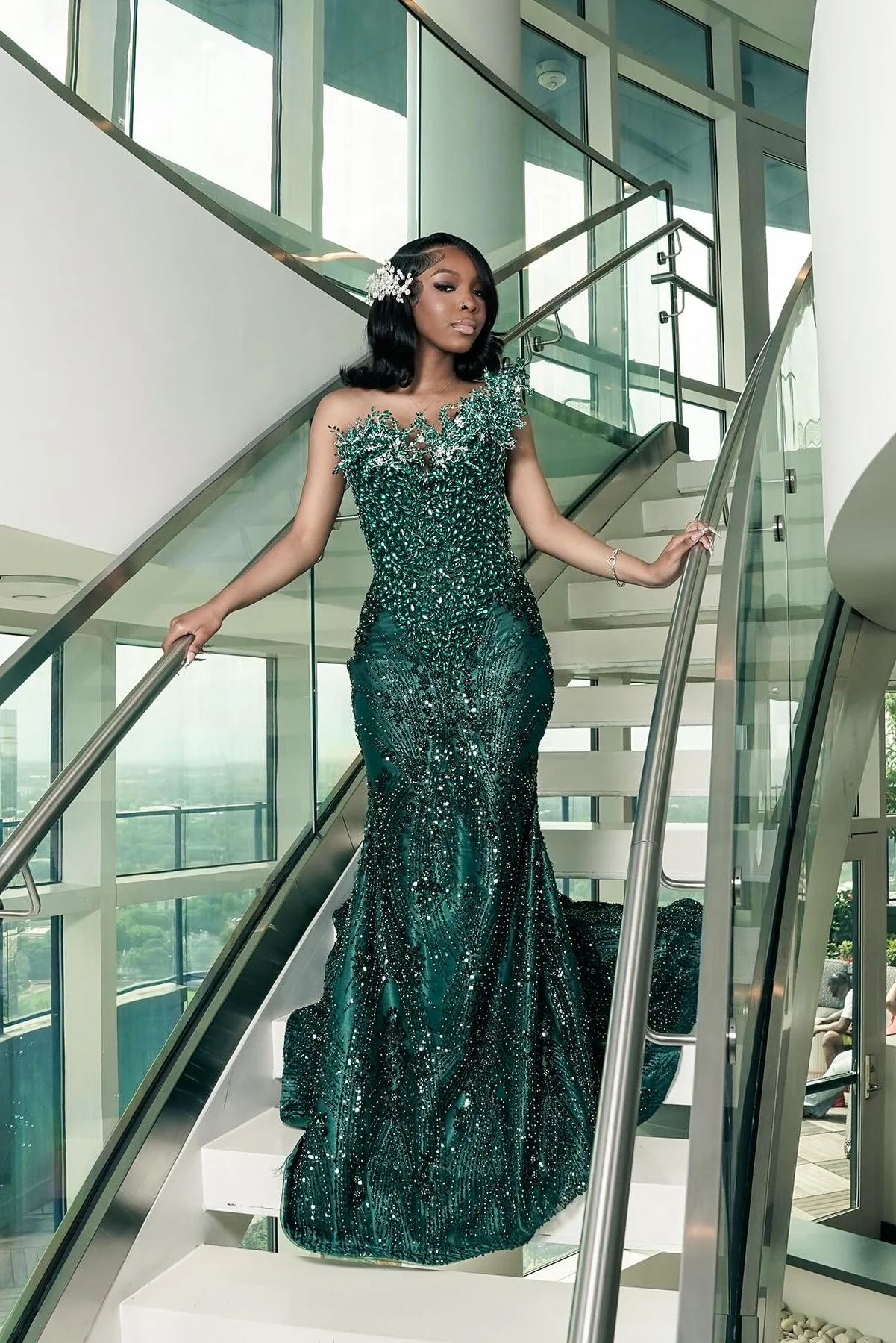
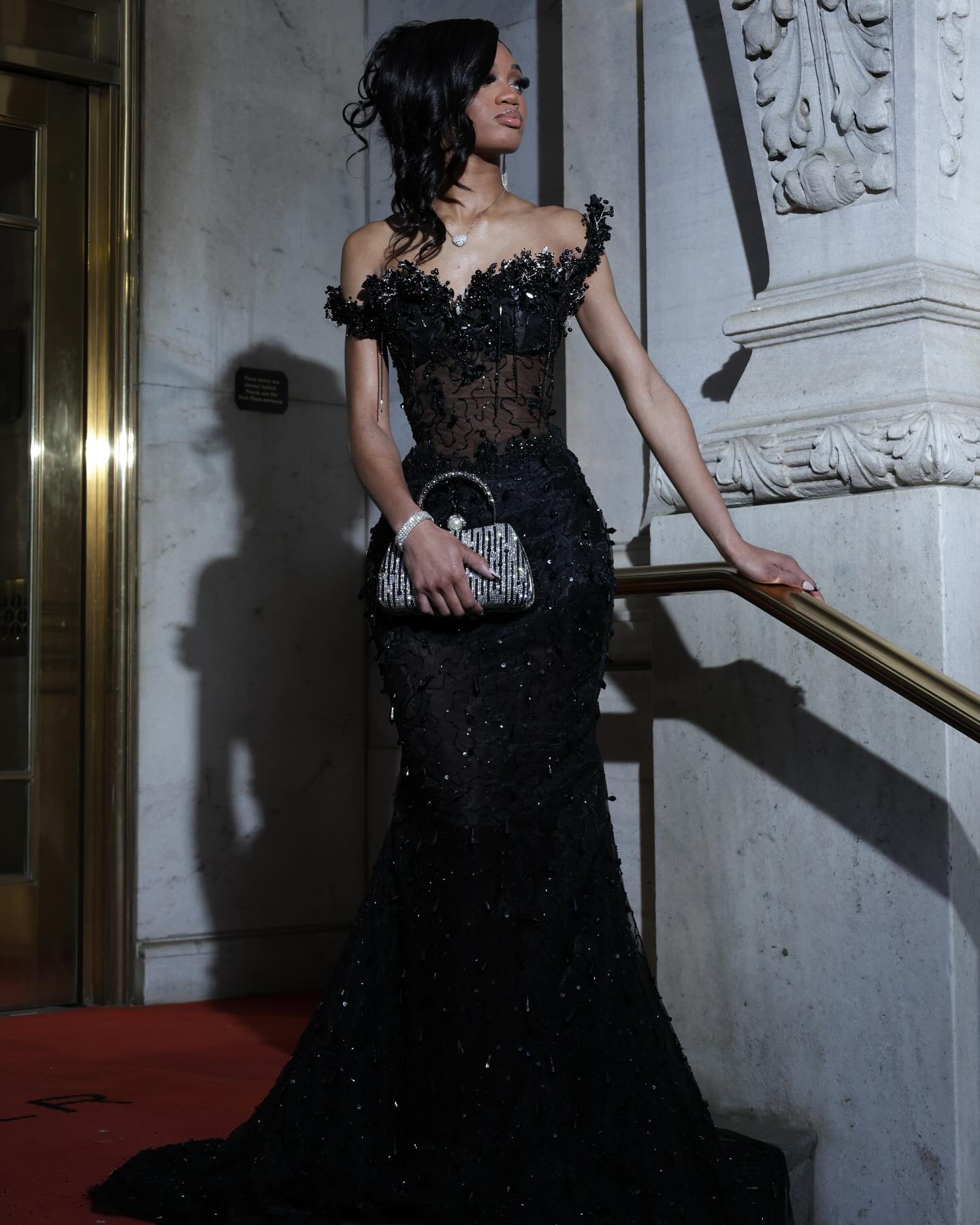
Use this full-length view to follow the lace pattern from the upper bodice down to the hem, paying attention to where the decoration becomes denser or more open.

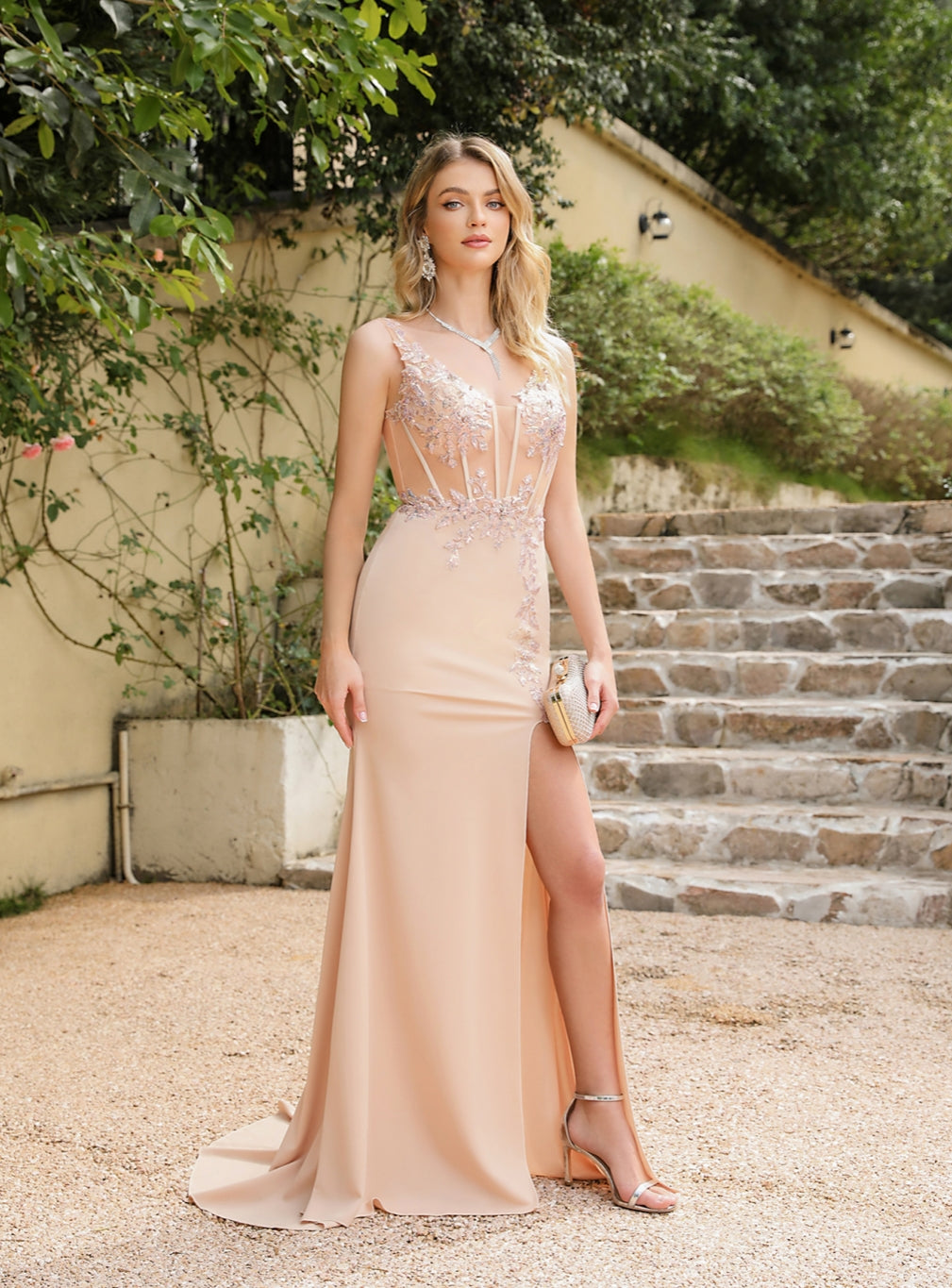
Use this full-length view to follow the lace pattern from the upper bodice down to the hem, paying attention to where the decoration becomes denser or more open.
Check the Sleeves, Back, and Hem
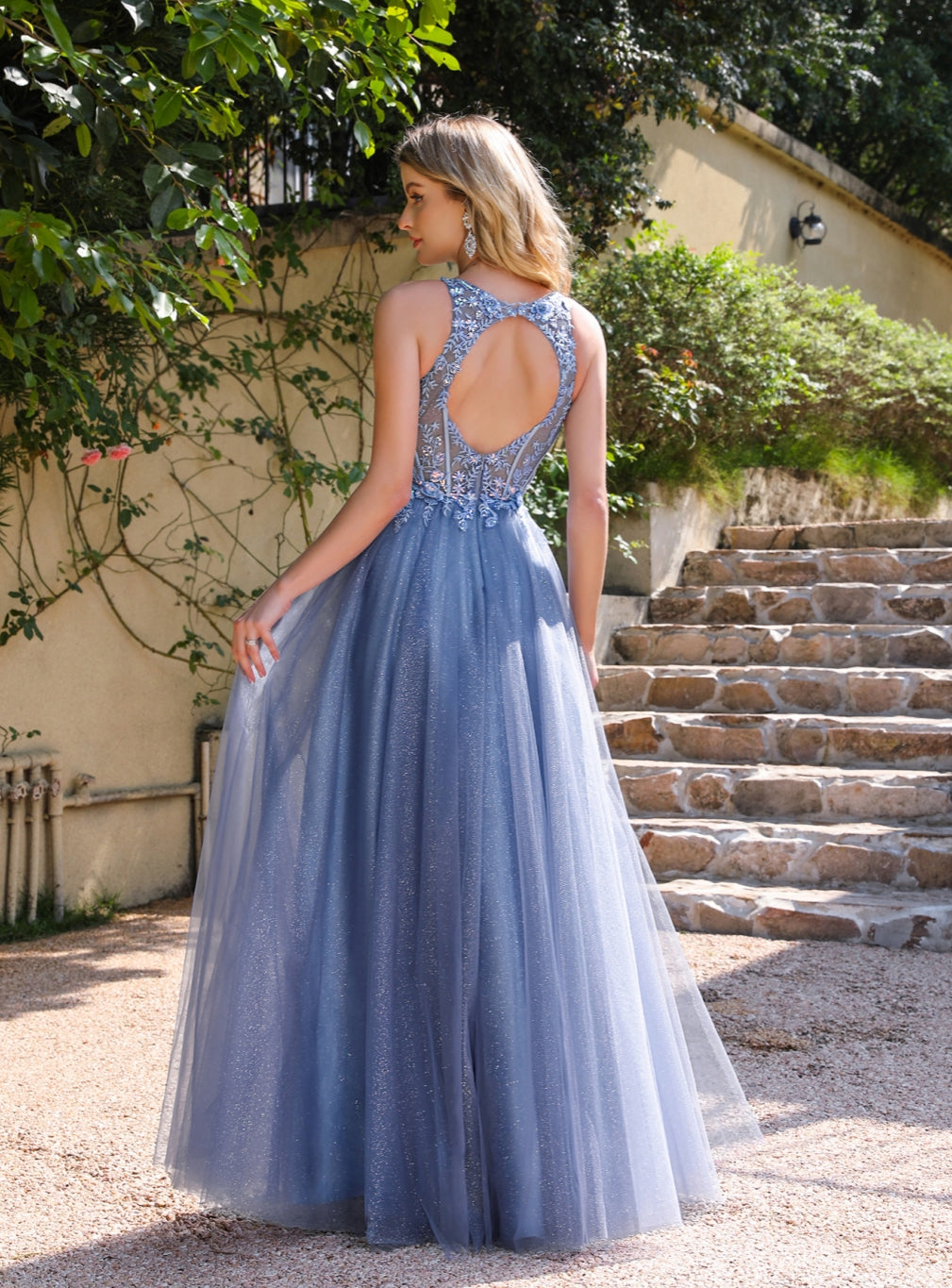
A front-facing product image may not show the complete lace arrangement. Check the rest of the product gallery for details on the sleeves, back, and hem.
For sleeves, compare the motif size and spacing with the bodice. On the back, look at how the decoration follows the neckline or surrounds the opening. At the hem, notice whether the lace ends in a defined border or continues across the skirt.
If you are still deciding on the overall gown shape, the BMBRIDAL wedding dress silhouette guide explains common silhouettes, including mermaid, ball gown, and long-sleeve styles.
Keep silhouette and lace placement as separate considerations. This makes it easier to compare the decorative details of gowns with similar or different shapes.
How Should You Compare Lace Layers and Background Details?
The background behind lace influences how clearly the motifs stand out. Product photographs can help you see this contrast, but they may not identify every material or explain the complete construction of the gown.
Distinguish Visual Contrast from Material Identity
Look at the relationship between the lace motif and the area behind it.
You might notice:
-
Similar tones between the lace and background
-
A visible contrast between the decorative pattern and the fabric beneath it
-
Dense motifs with little visible space between them
-
More open-looking patterns with noticeable gaps
Describe what you see before assigning a material or technique name to it.
A visible contrast in a photograph does not confirm a particular fiber, fabric finish, or lace-making method. Check the product's material and embellishment fields for the information the seller actually provides.
Compare Close-Up Images with Full-Length Photographs
A close-up photograph can make a lace motif easier to recognize, especially when the pattern is difficult to distinguish in a full-length image.
However, the detail image cannot always show how much of the gown features that decoration. Use it together with a full-length photograph to understand both the individual motif and its overall placement.

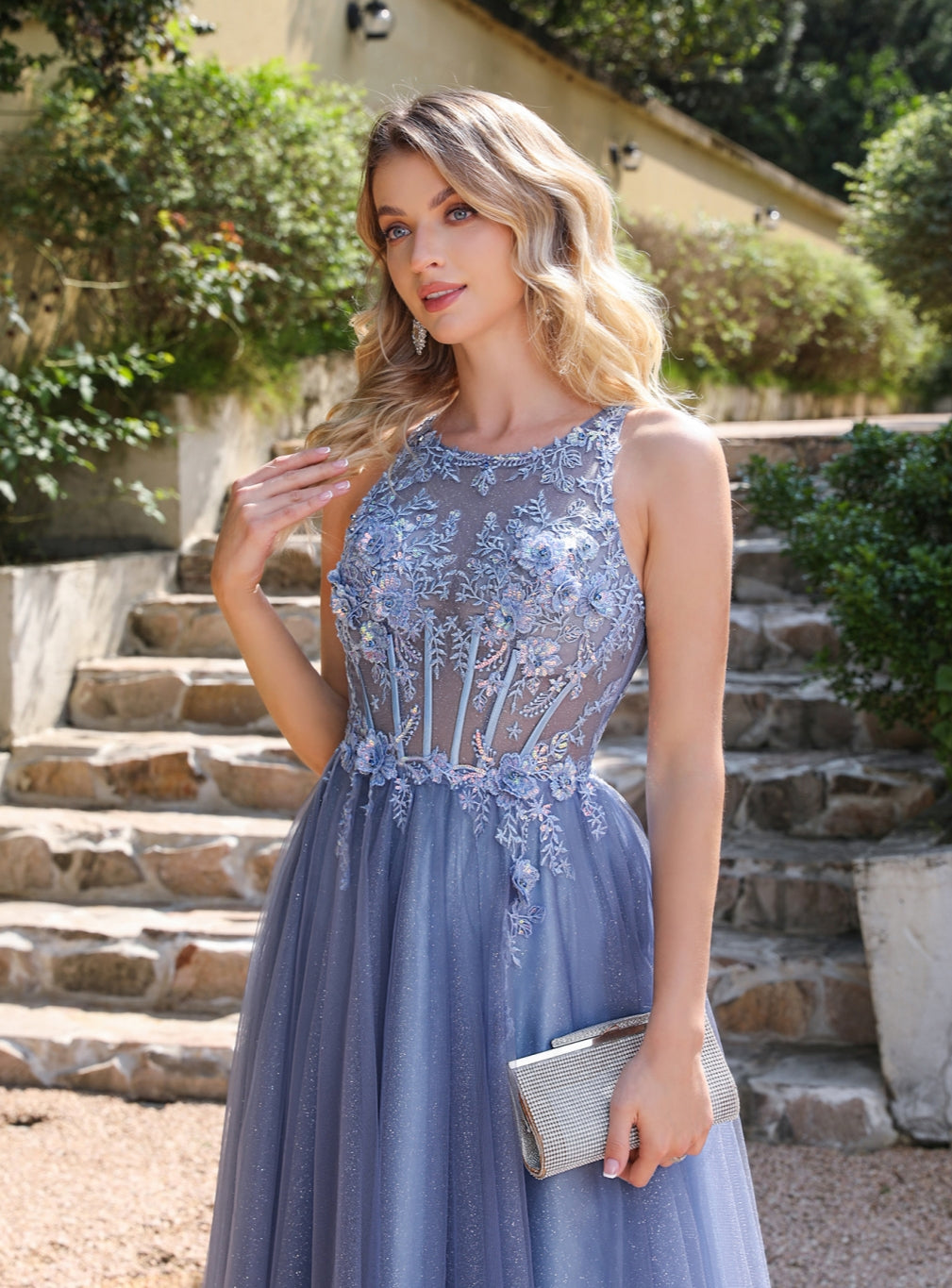
This closer view makes the curved motifs and small reflective accents easier to identify. Return to the full product gallery to see where those details appear on the complete gown.
Avoid Assuming How the Lace Was Made
A raised-looking motif in a photograph does not prove a particular manufacturing method. Similarly, a delicate-looking pattern does not establish that the lace was handmade.
You can choose a wedding gown because you like its visual details without needing to identify exactly how those details were produced.
If construction or craftsmanship is important to your decision, look for specific information in the product description or ask the seller for clarification.
For more guidance on evaluating product information, read the BMBRIDAL guide to assessing wedding dress details.
How to Compare Lace Wedding Dresses in Product Listings
Once you understand the main visual details, use individual product pages to compare the wording with the photographs. The goal is to identify the arrangement you prefer rather than treating every product term as a promise about the entire gown.
Check Both Material and Embellishment Fields
The long-sleeve lace wedding dress listing lists tulle as the material and lace as the embellishment.
This is a useful example of why a lace wedding dress does not always have “lace” as its only material description.
Compare the written fields with the product gallery. Notice where the lace appears and how the pattern relates to the visible background, but do not assume that the listed fields describe every individual layer.
Look at Listings with Multiple Decorative Terms
The long-sleeve mermaid lace wedding dress lists lace under material and includes several embellishment terms, including lace and appliqués.
These labels may describe different features of the same gown. Use them as a guide when examining the photographs, and check whether the decorative details appear across the entire dress or only in selected areas.
Create a Three-Part Lace Comparison Note
For each wedding dress you like, write down three short observations:
-
Motif: What shapes can you recognize?
-
Placement: Where does the decoration appear, and where does it end?
-
Background: What can you see behind and between the motifs?
For example: “Floral shapes, concentrated on the bodice, with more open space across the lower skirt.”
This is specific enough to compare different lace wedding dresses without relying on specialist terminology.
If two gowns have similar patterns, check the sleeves, back, and hem for meaningful differences. If the product information does not show a clear distinction, there is no need to invent one.
You can also browse the wider BMBRIDAL wedding dress collection to compare similar decorative preferences across other styles.
Explore BMBRIDAL Lace Wedding Dresses
The following BMBRIDAL product pages provide examples of different lace descriptions and visual arrangements. Compare the product titles, material and embellishment fields, and photographs together to understand what each listing communicates.
Long-Sleeve Lace Wedding Dress with Tulle Listed as Material
Long-sleeve lace plus-size wedding dress

This gown combines a full skirt with floral decoration across the bodice and sleeves. Its product page lists tulle as the material and lace as the embellishment.
Compare the written description with the visible pattern, especially the difference between the denser bodice decoration and the motifs extending onto the skirt.
Long-Sleeve Mermaid Lace Wedding Dress
Long-sleeve mermaid lace wedding dress

This mermaid-style gown offers a different arrangement, with visible lace decoration across the upper body and sleeves and a more open-looking lower skirt.
Follow the transition from the bodice to the flared hem to see how the pattern changes across the gown.
Long-Sleeve V-Neck Lace Mermaid Wedding Dress
Long-sleeve V-neck lace mermaid wedding dress

Compared with the previous example, the visible pattern continues much farther down the skirt.
Look at how the lace approaches the neckline and waist, then compare its coverage with the other mermaid designs. Shared terms such as “long sleeve” and “lace” do not mean the gowns have identical decorative arrangements.
Lace-Appliqué Mermaid Wedding Dress
Lace-appliqué mermaid wedding dress

This listing provides another example of the term “lace appliqués.” Notice the larger repeated shapes and the spaces between them across the skirt and train.
Use the product photographs to understand the placement and extent of the visible decoration rather than treating the product title as a complete material specification.
Another Lace-Appliqué Wedding Gown

This product page offers another arrangement of curved lines and smaller repeated details.
Compare it with the previous lace-appliqué gown. Similar product names do not establish identical patterns, materials, photographs, or selected options, so review each listing separately.
Frequently Asked Questions About Lace Wedding Dresses
What should I look for when choosing a lace wedding dress?
Start by comparing the lace motif, its placement, and the visible background. Then review the product's material and embellishment fields to understand how the seller describes the gown.
What is the difference between all-over lace and lace appliqués?
All-over lace describes how widely a pattern extends across a garment. Lace appliqués refer to individual decorative elements applied to specific areas. A wedding dress can feature both.
Why does a lace wedding dress list tulle as its material?
A product listing may identify tulle as the material and lace as the embellishment. These fields describe different aspects of the gown, so read them together rather than assuming they are interchangeable.
How can I tell whether a wedding dress has floral lace?
Look for recognizable flower-shaped motifs in the product photographs and description. If the listing does not identify the pattern, describe the shapes you can see rather than assuming a specific lace technique.
Does a close-up photograph show the complete lace pattern?
Not necessarily. A close-up helps you examine individual motifs, but a full-length image is needed to understand how widely the decoration extends across the gown.
Is a wedding dress with more lace always better?
No. The amount of lace is a design preference, not an automatic measure of quality. Some brides prefer dense decoration, while others like a more open pattern or lace concentrated in selected areas.
Where can I find more lace wedding dresses?
Browse the BMBRIDAL lace wedding gown collection to explore different silhouettes, patterns, and decorative details. Compare individual product descriptions and photographs to find an arrangement that suits your preferences.
About the Author
BMBRIDAL shares practical guides and style inspiration for wedding, bridesmaid, prom, and special occasion dresses. Our articles help shoppers understand garment details, compare designs, and make more informed choices for important events.