


Plus Size Wedding Pantsuits: Which Measurements Should You Check?
Finding the right fit in plus size wedding pantsuits involves more than choosing a familiar size label. A pantsuit may include a top, trousers, and a separate jacket, and each piece can have different measurement requirements. Knowing which measurements apply to each garment can help you compare styles and understand the sizing information before placing an order.
Whether you are shopping for a mother of the bride outfit, a wedding guest look, or another formal occasion, start by checking the product's size chart and identifying exactly what each measurement describes. This guide explains how to read pantsuit size information, which details to check for each piece, and what to ask when a listing does not provide enough information.
Key Takeaways
| What to Check | What to Look For |
|---|---|
| Size chart | Whether it shows body measurements or finished-garment measurements |
| Top | Bust, waist, and top length, where available |
| Separate jacket | Shoulder, sleeve, upper-arm, and jacket length information, where relevant |
| Trousers | Waist, hip, inseam, or outer-leg length |
| Units and size options | Consistent units and the exact size available for the selected style |
Understand the Pantsuit Size Chart Before Choosing a Size
Check which garments the chart covers
Start with the size information on the individual product page. A chart may apply to the entire outfit, a particular garment, or a general clothing category. Before comparing numbers, check whether it specifically covers the selected women's pantsuit.
This is especially important for three-piece plus size wedding pantsuits. A set may include a top, trousers, and an additional jacket, but that does not automatically mean the listing provides separate measurements for all three pieces.
If the chart does not clearly explain its scope, contact the seller and ask which garments the listed measurements apply to. Do not use a dress chart or a men's suit chart to fill in missing pantsuit information.
Know the difference between body and garment measurements
One of the most important details in a plus size pantsuit size guide is whether the chart lists body measurements or finished-garment measurements.
-
Body measurements describe the person wearing the outfit, such as bust, waist, and hip circumference.
-
Finished-garment measurements describe the actual clothing after it has been made.
For example, a bust measurement in a body-size chart is not necessarily the same as the circumference of the finished top. Similarly, a trouser waist measurement may describe the wearer's body measurement or the garment itself.
Read the chart headings and measurement instructions carefully. Do not add or subtract an assumed allowance to make two values match. If the measurement type is unclear, ask for clarification before choosing a size.
Check how each measurement is taken
A flat garment width and a full circumference are not the same measurement. If a listing provides a width without explaining how it was measured, ask whether it refers to a flat measurement or a measurement around the garment.
The same principle applies to shoulder width, sleeve length, and trouser length. The starting and ending points affect the result, so a measurement name alone may not provide enough information.
Keep the original chart wording with each number until you understand its measurement method.
Which Measurements Should You Check for Each Piece?
A multi-piece outfit should be evaluated piece by piece. The top, jacket, and trousers each have different areas that may affect the fit.
Top measurements: Bust, waist, and length
For the top, begin with the bust and waist measurements provided in the product's size chart. If the top has a defined waist or a fitted bodice, these measurements may be particularly useful when comparing available sizes.
You can also check the top length if you have a specific preference for where it should fall. Confirm where the measurement starts and ends rather than estimating its length from a model photograph.
Necklines, lace details, and decorative embellishments help describe the design, but they do not tell you the actual garment measurements.
Jacket measurements: Shoulder, sleeve, and overall length
If the pantsuit includes a separate jacket, check whether its measurements are listed independently. Depending on the design, useful details may include:
-
Shoulder width
-
Sleeve length
-
Upper-arm measurement
-
Jacket length
Not every listing will provide all these values, so focus on the details that matter to your preferred fit.
Pay particular attention to descriptions such as floor-length jacket or three-quarter sleeves. These terms describe the design, but they do not provide exact measurements. Ask which garment the length refers to and how it is measured.
A jacket's overall length should also be kept separate from the length of the trousers.

Trouser measurements: Waist, hips, and leg length
For the trousers, check the waist and hip measurements first. Then look for a separate leg-length measurement.
Depending on the product information, this may be described as:
-
Inseam: The length measured along the inside of the leg.
-
Outseam: The length measured along the outside of the leg.
-
Overall trouser length: The full length of the trousers, which should have a clearly stated starting and ending point.
These measurements answer different questions and should not be treated as interchangeable.
New Mexico State University's pants measurement guide explains how areas such as the waist, hips, thigh, and leg length are measured separately. This is a useful reference when comparing trouser measurements.
Descriptions such as ankle-length and floor-length can help you understand the intended style, but they are not exact numerical measurements. If trouser length is important to you, ask for the applicable measurement and its measuring method.

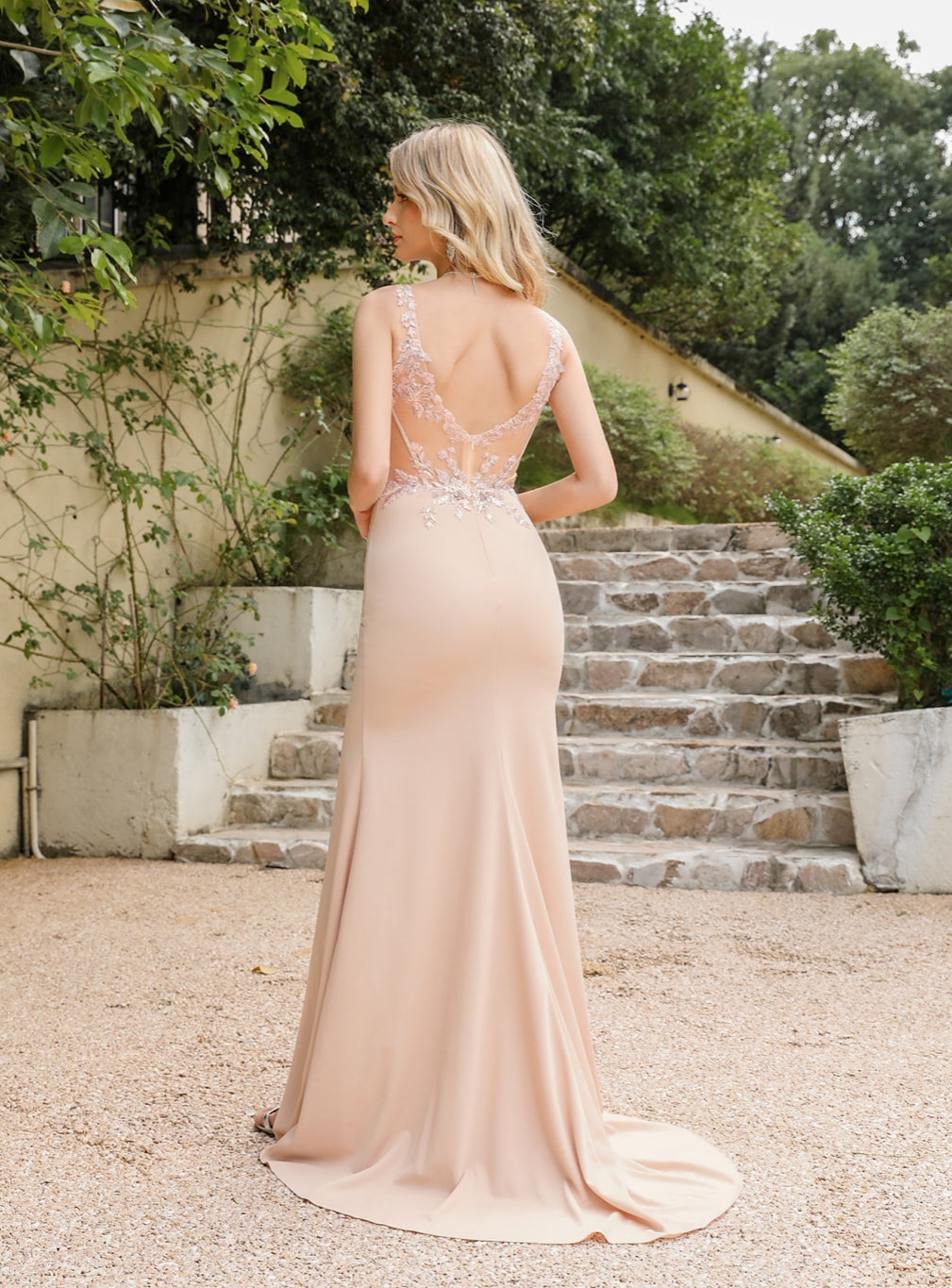
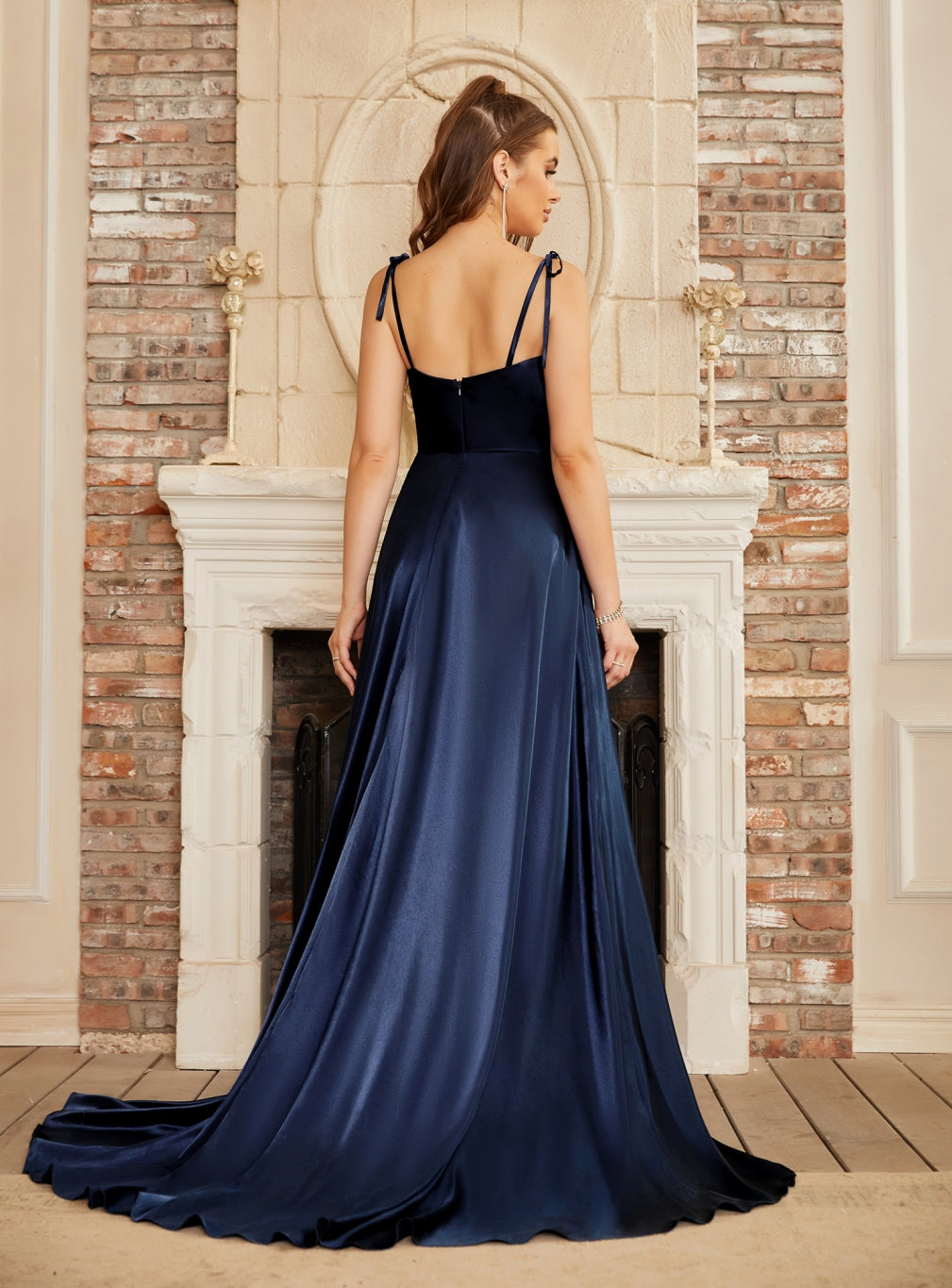
A rear view can help you understand the outfit's layered design, but it cannot confirm the exact inseam or outer-leg length. Check the product's measurement information separately.
Ask about trouser rise when waist position matters
If you have a preference for where the waistband sits, ask whether the product provides rise measurements and how they are taken.
The front rise and back rise are different measurements. Neither should be confused with your body waist measurement or the total length of the trousers.
You do not need to request every possible technical measurement. Focus on the details that could affect your decision, and leave unavailable values unconfirmed rather than estimating them from photographs.
How to Compare Plus Size Wedding Pantsuit Measurements
Once you understand which measurements apply to each garment, keep your comparison consistent.
Use the same measurement units
Check whether the size chart uses inches or centimeters before comparing values. Record the unit beside every measurement so that you do not accidentally compare numbers from different systems.
If a product page offers a unit switch, confirm that the selected unit is still active after changing the display. Avoid mixing measurements recorded in inches with values displayed in centimeters.
Check the exact size option
A size label is a useful starting point, but sizing can vary between clothing categories and retailers. Do not assume that a size you usually wear in a dress or another brand will automatically correspond to the same option in a pantsuit.
Check the exact sizes available on the selected product page. Also confirm whether the top, jacket, and trousers must be ordered in one shared size or whether separate sizes can be selected.
A single size option does not necessarily mean that every piece can be customized independently.
Keep a separate measurement record for each garment
A simple comparison note can help you organize the information without mixing up similar measurements.
For each value, record:
-
Garment: Top, jacket, or trousers.
-
Measurement: Bust, waist, hip, shoulder, sleeve, inseam, or another named point.
-
Measurement type: Body measurement or finished-garment measurement.
-
Unit: Inches or centimeters.
For example, keep a trouser inseam question separate from a jacket sleeve-length question. Include the product link and selected size so you can refer back to the correct listing.
If a measurement is missing, write down the specific question instead of filling in an estimated value.
Do not substitute dress measurements for trouser measurements
Formal dresses and pantsuits use different measurement points. A hollow-to-hem or hollow-to-floor measurement for a dress does not tell you the inseam or outseam of a pair of trousers.
Likewise, a model's height does not reveal the exact trouser length shown in a photograph. If you need a precise measurement, refer to the product's applicable chart or ask the seller for the relevant garment measurement.
Example: Floor-Length Plus Size Pantsuit

The overall appearance of a floor-length outfit does not establish the numerical length of its trousers. Confirm which garment the product description refers to before comparing measurements.
Compare Five BMBRIDAL Plus Size Wedding Pantsuits
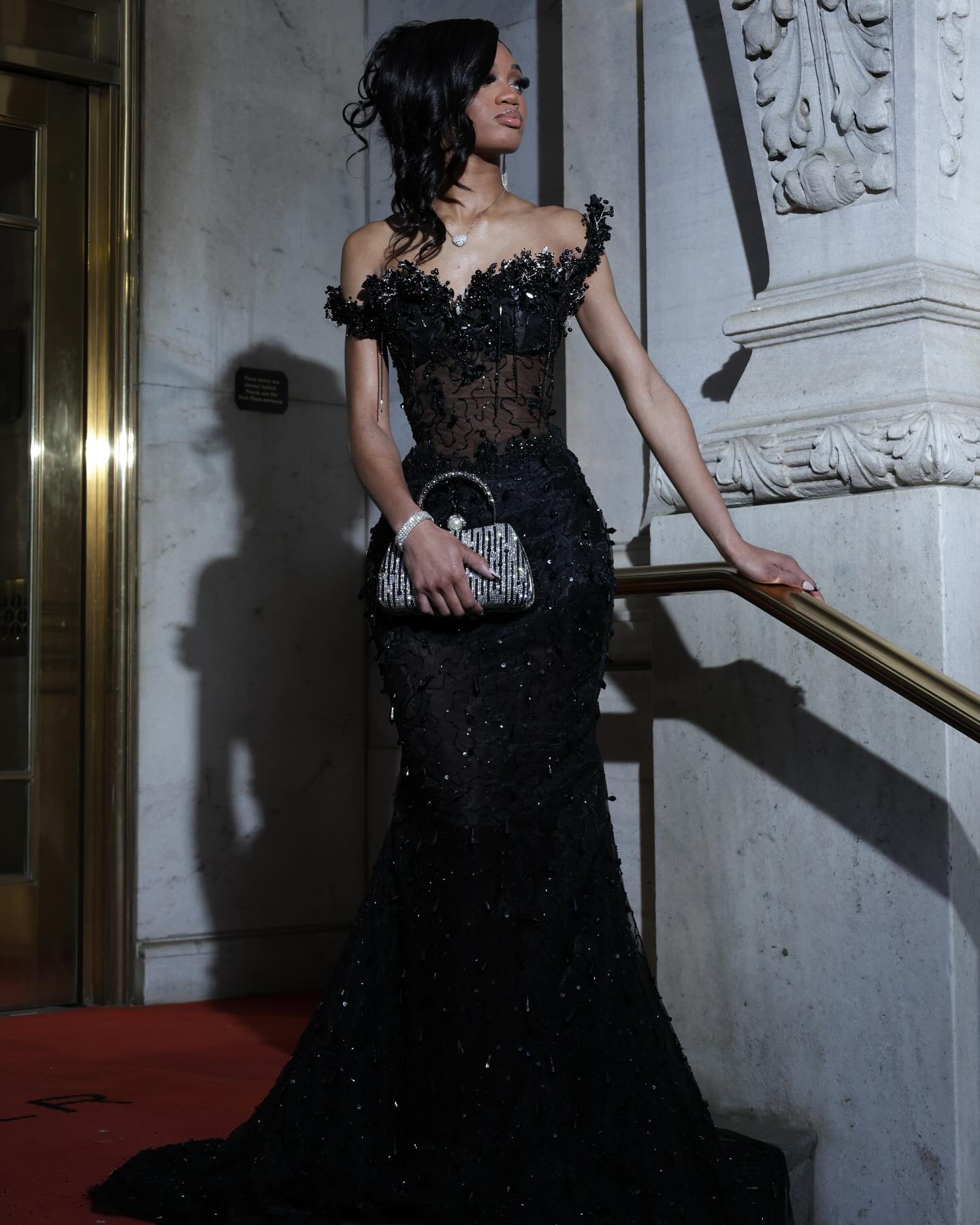
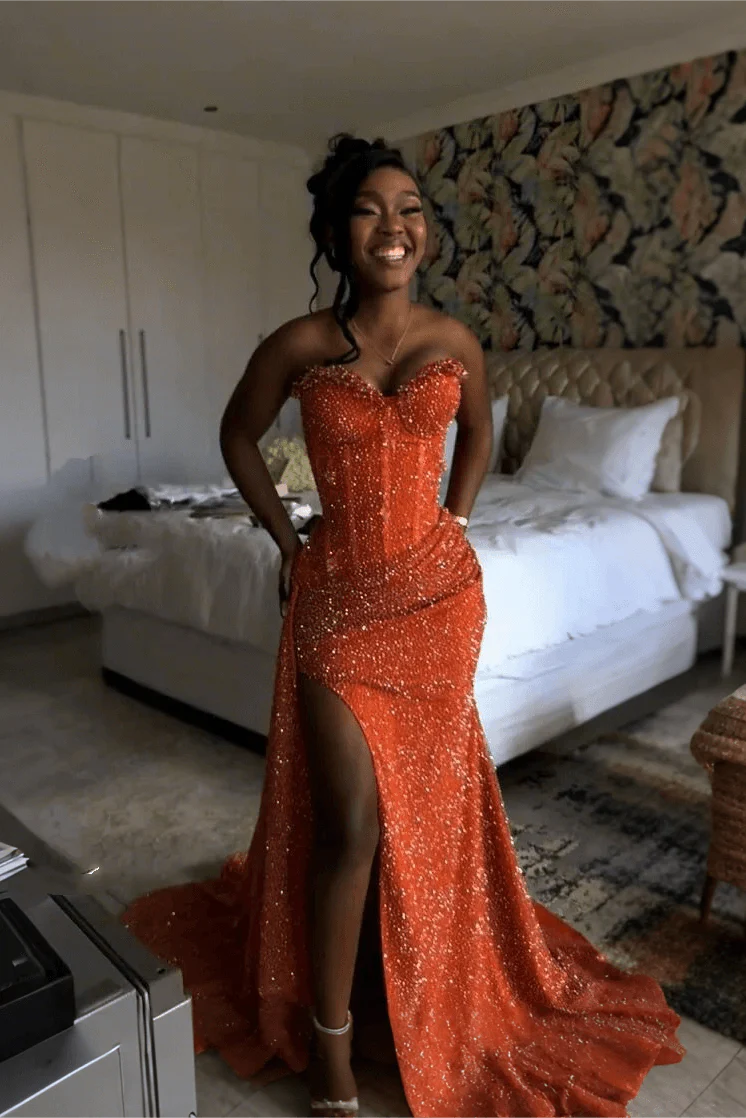
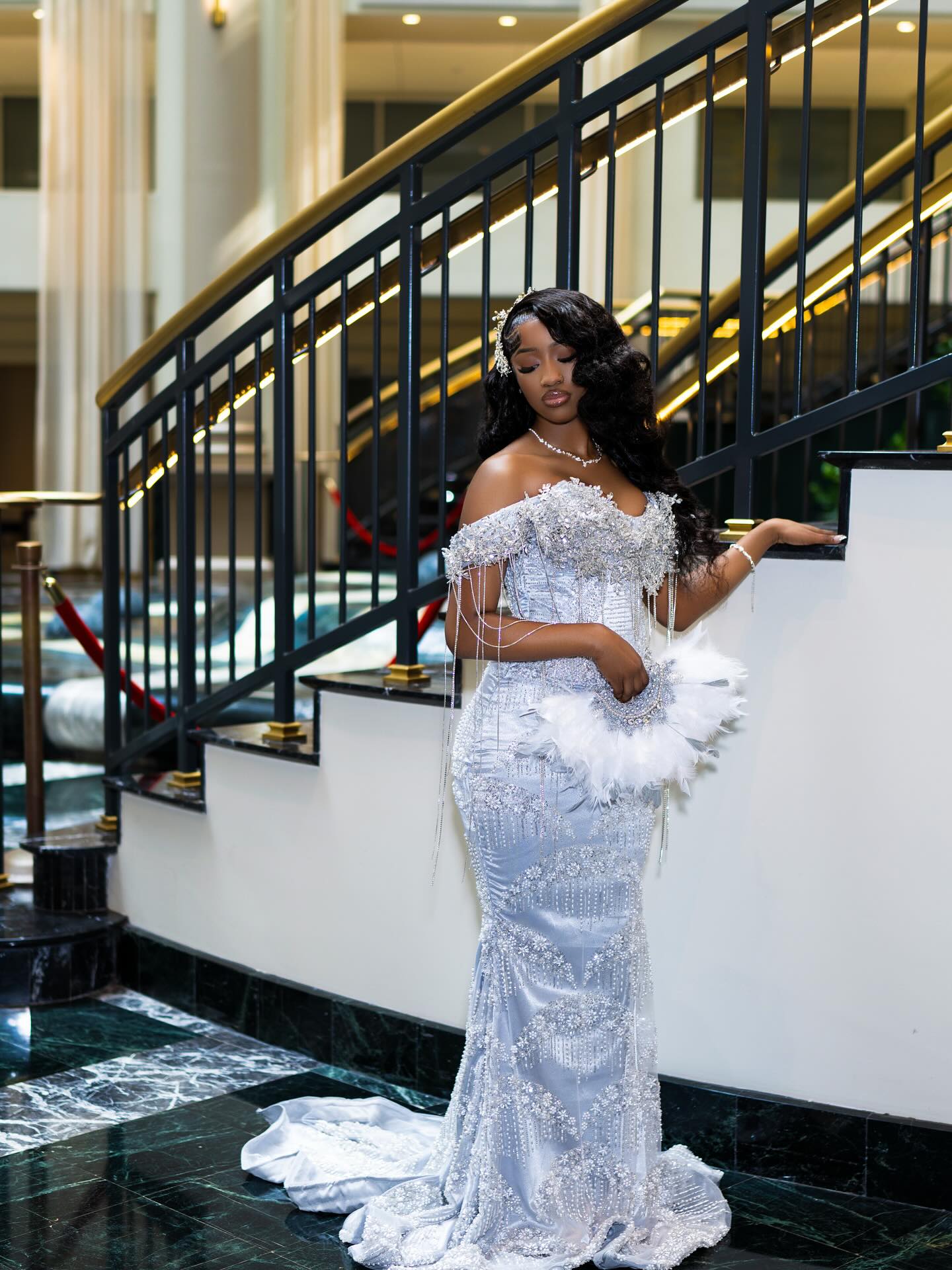
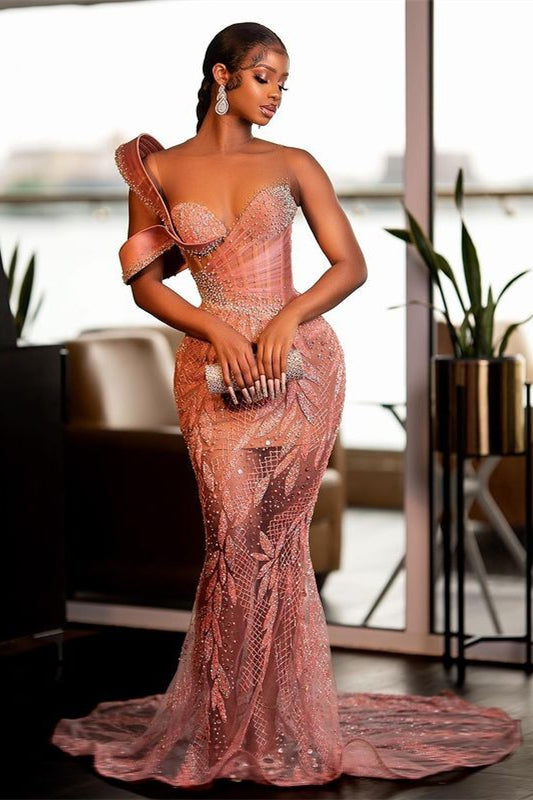
Different plus size mother of the bride pantsuits feature different combinations of tops, jackets, and trousers. The following BMBRIDAL styles illustrate why it is important to identify each garment and its measurement requirements separately.
The product descriptions help you recognize the design, but always refer to the current size information on the individual listing when comparing sizes.
Three-Piece V-Neck Chiffon Pantsuit with a Floor-Length Jacket
Three-piece V-neck chiffon pantsuit

This three-piece style includes a top, trousers, and an additional jacket. When reviewing its size information, keep the jacket-length question separate from the trouser measurements. Check which values are available for each piece rather than assuming one chart covers every detail.
Three-Piece Scoop-Neck Pantsuit with Three-Quarter Sleeves
Three-piece scoop-neck chiffon pantsuit

This listing describes a scoop neckline, three-quarter sleeves, and a floor-length jacket. Identify which garment each feature belongs to before requesting measurements. For example, sleeve length should be checked against the jacket or top it describes, while trouser length needs its own measurement.
Ankle-Length Chiffon Pantsuit with Lace Details
Ankle-length plus size chiffon pantsuit

The ankle-length description makes trouser length an important detail to check. Ask for the applicable leg measurement and its starting and ending points. The jewel neckline and lace details describe the design rather than the trousers' dimensions.
Square-Neck Chiffon Pantsuit with a Side-Split Design
Square-neck plus size chiffon pantsuit
This style features a square neckline and side-split detailing. Before comparing its length, establish which part of the outfit the floor-length description refers to. The outer layer and trousers should not be treated as having the same length specification.
Round-Neck Chiffon Pantsuit with an Appliqué Jacket
Round-neck plus size chiffon pantsuit

The appliqué jacket adds another garment to consider when reviewing the size information. Check the measurements available for the jacket, top, and trousers separately, especially if sleeve or overall jacket length is important to your choice.
For more outfit inspiration, explore the BMBRIDAL Mother of the Bride Pantsuit Collection.
You can also read our Mother of the Bride Suits for Curvy Women guide for more ideas on choosing a formal outfit. For additional tips on evaluating online clothing listings, see our guide to shopping for formalwear online.
Frequently Asked Questions About Plus Size Wedding Pantsuits
What measurements should I check when buying a plus size wedding pantsuit?
Start with the bust, waist, and hip measurements. Then check the top length, jacket shoulder and sleeve measurements, and trouser length where those details are available. The exact measurements you need depend on the pieces included in the outfit.
Are body measurements the same as finished-garment measurements?
No. Body measurements describe the person wearing the outfit, while finished-garment measurements describe the clothing itself. Always check the chart heading and measuring instructions before comparing the numbers.
Can I use my usual dress size to choose a plus size pantsuit?
Your usual dress size can be a reference, but it should not be the only factor. Different garment categories and brands may use different sizing systems. Compare your measurements with the size chart for the specific pantsuit.
Does floor-length mean the trousers will reach the floor?
Not necessarily. Floor-length is a style description, not a precise numerical measurement. Check which garment the description refers to and ask for the applicable trouser length if you need an exact value.
What is the difference between inseam and outseam?
The inseam is measured along the inside of the leg, while the outseam is measured along the outside. They are different measurement points and should not be used interchangeably when comparing trouser lengths.
Can I choose different sizes for the top, jacket, and trousers?
This depends on the options provided by the individual product. Check whether the listing offers one size for the complete set or allows separate size selections. If the available options are unclear, contact the seller before ordering.
What should I do if a pantsuit size chart does not show every measurement?
Make a note of the missing information and ask the seller for clarification. Specify the garment, measurement name, and unit you need. For example, ask for the trouser inseam in inches or the jacket sleeve length in centimeters.
About the Author
BMBRIDAL
BMBRIDAL shares practical guides and style inspiration for wedding dresses, bridesmaid dresses, prom dresses, and special occasion outfits. Our goal is to help shoppers understand garment details, compare styles, and make more informed choices for important events.